

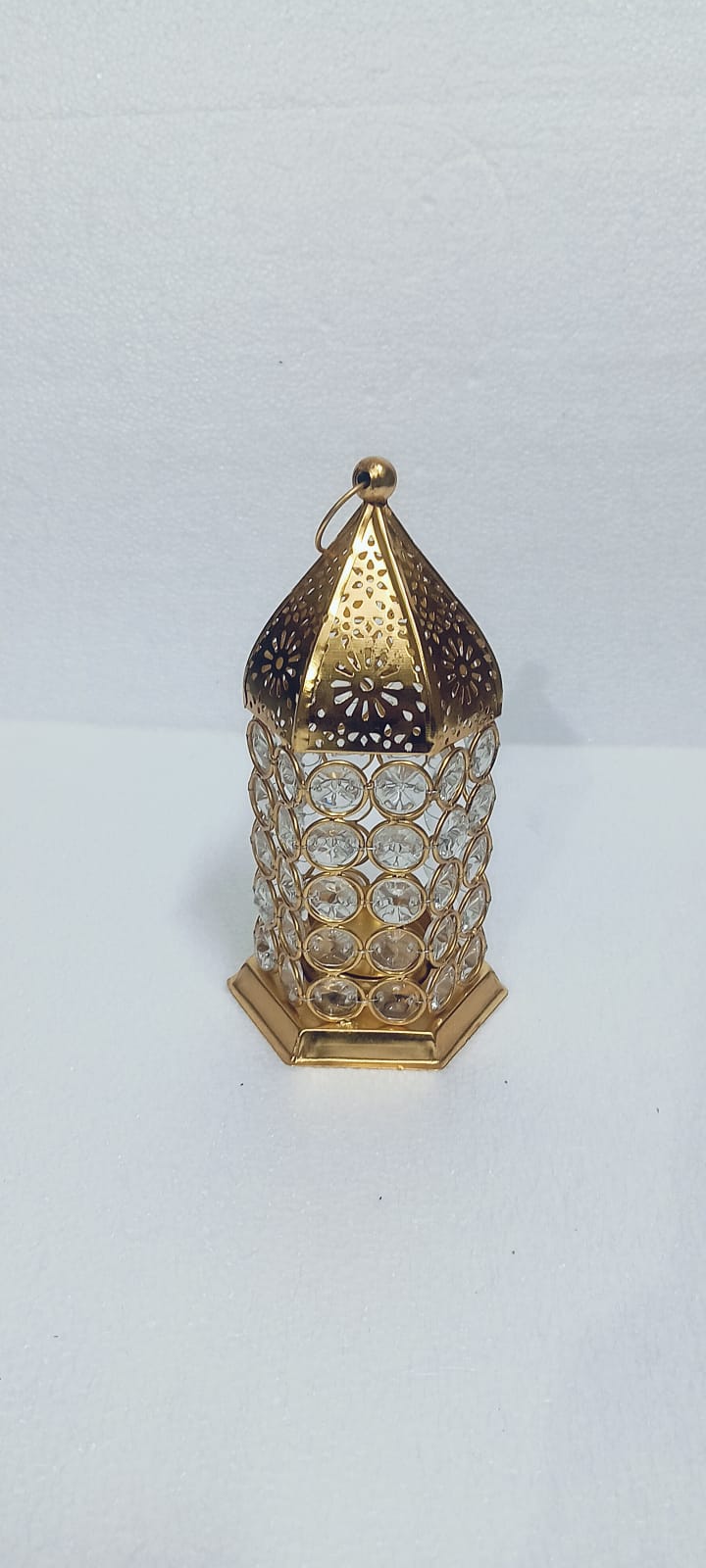
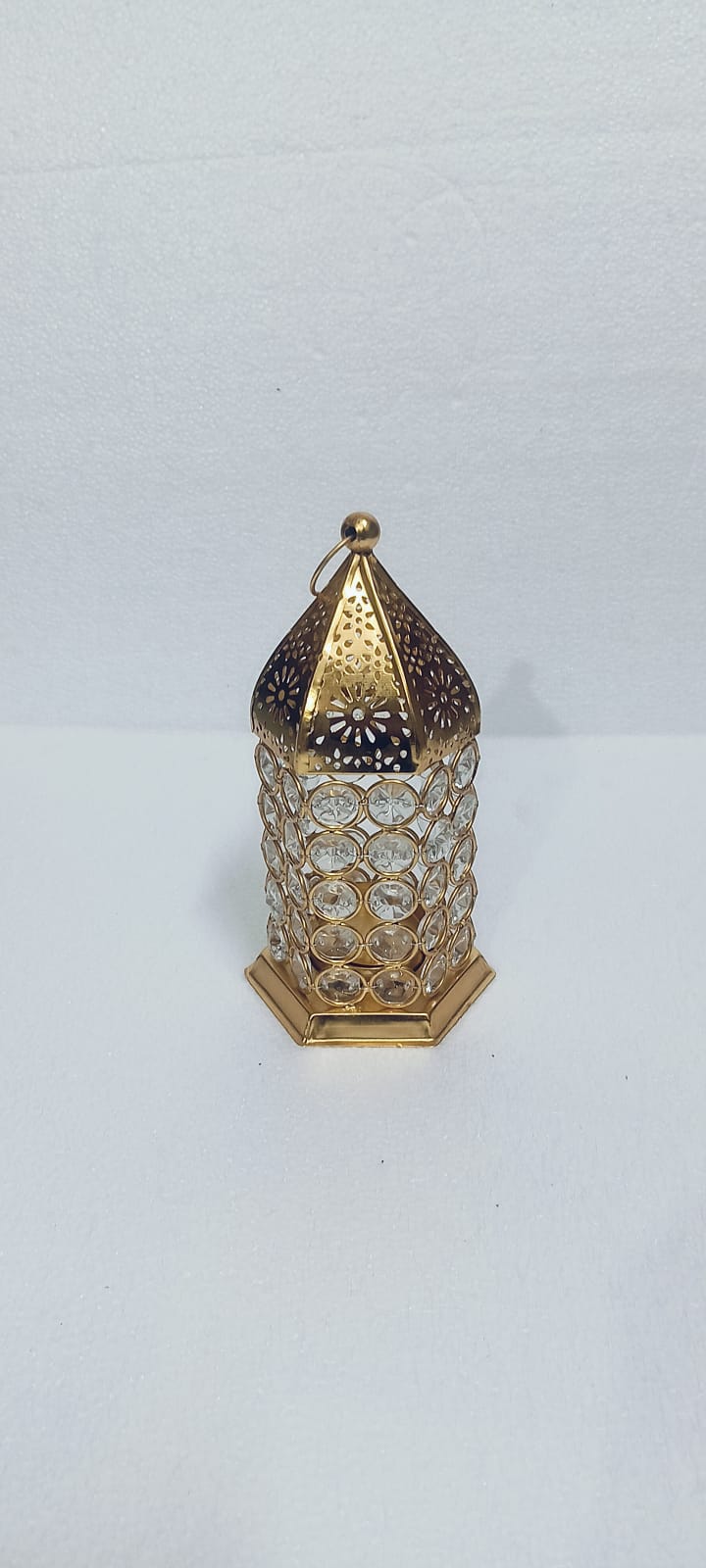
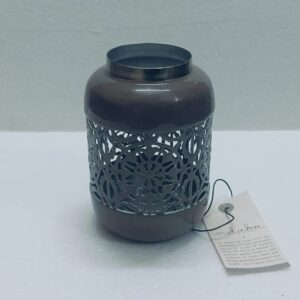
Crystal Lantern
Original price was: ₹220.00.₹180.00Current price is: ₹180.00.
Material : Iron
Height : 6.75 inch
Bottom Diametre : 3.5 inch
Finishing : Gold
Description
About Crystal Lantern:
Illuminating Beauty: The Allure of Crystal Lanterns
A crystal lantern is more than a simple lighting fixture. It is a delicate interplay of light, glass, and artistry—a decorative piece that uplifts the ambiance of any space. Whether used indoors or outdoors, in modern minimalist or classic traditional settings, a crystal lantern can infuse both elegance and warmth. In this article, we’ll explore the history, design elements, types, uses, care tips, and buying guidance for crystal lanterns.
A Brief History and Symbolism
Lanterns have been used for centuries to bring light into darkness, to guide travelers, and to mark celebrations. Their basic principle—enclosing a light source within a container to shield the flame or bulb—has remained constant, but materials and aesthetics have evolved over time.
Crystal lanterns represent a relatively modern twist: combining the timeless idea of a lantern with crystal or high‑quality glass components. Over the last few decades, designers began incorporating faceted crystal panels or elements to catch and refract light, creating dazzling effects. In many cultures, crystals symbolize purity, clarity, and energy; a crystal lantern thus carries a symbolic weight of radiance and clarity, not just utility.
Design Features and Components
Structure and Materials
A typical crystal lantern comprises:
- Frame or Body
Usually fashioned from metal (e.g. brass, wrought iron, stainless steel) or sometimes from high‑grade resin or wood. The frame gives structural integrity and defines the shape—cylindrical, rectangular, hexagonal, Moroccan style, or more abstract forms. - Crystal or Glass Panels / Facets
These may be full panels of clear crystal glass, faceted cubes, prisms, droplets, or mosaic glass inserts. The crystal is cut (or molded) to have multiple facets that refract and reflect light, creating sparkles and color play. - Light Source
In older or more traditional lanterns, a candle or tealight is used. In contemporary models, LED bulbs or small incandescents are typical because of safety, longevity, and energy efficiency. - Top / Ventilation / Cover
To allow heat to escape (important for flame or bulb heat) and sometimes a door or hinged panel to insert or replace the light. - Hanging or Standing Mechanism
A hook, chain, handle, or a flat base—depending on whether the lantern is meant to hang or be set on a tabletop or floor.
Optical Effects
The fundamental appeal of a crystal lantern lies in how it manipulates light:
- Refraction and Dispersion: Light entering the crystal is bent and split into component colors, giving subtle rainbow glints.
- Reflection: Inner metal surfaces or mirrored backing can amplify brightness.
- Shadow and Pattern Casting: Facets and cutouts produce patterned shadows on surrounding walls or surfaces.
- Sparkle and Flicker: If a flame or flickering bulb is used, the crystalline surfaces exaggerate the dynamic play of light and shadow.
Types and Styles
Crystal lanterns span a wide spectrum of styles. Here are a few popular categories:
- Classic / Victorian Style
Ornate metalwork, clear faceted glass panels, colors like antique brass or bronze—these lean toward a romantic, vintage aesthetic. - Moroccan / Moorish Style
Intricate lattice metal cutouts combined with colored crystal panels or stained glass produce exotic patterns and warm mood lighting. - Modern / Minimalist
Sleek frames, clean lines, minimal ornamentation, and clear crystal panels. Often using LED bulbs and subtle finishes like matte black or chrome. - Chandelier‑Hybrid Lanterns
Larger pieces that combine lantern structure with hanging crystal drops or pendants reminiscent of crystal chandeliers. - Portable or Tabletop Lanterns
Small lanterns intended for patios, balconies, or indoor side tables. Often battery‑powered or USB‑rechargeable for convenience. - Outdoor / Garden Lanterns
Weather‑resistant finishes and durable glass/crystal to endure elements. Often solar‑powered or wired for exterior lighting.
Applications & Decorating Tips
A crystal lantern is versatile—it can change the character of a space with mindful placement.
- Entryway or Foyer: Mount or hang a crystal lantern to greet visitors with refined lighting.
- Dining Table Centerpiece: Use a medium-sized crystal lantern in the center of a dining table—either lit or unlit—to lend sparkle to mealtime.
- Bedroom Accent Lighting: Placed on a side table or wall sconce, it can replace or complement bedside lamps.
- Outdoor Patio or Gazebo: Hang multiple lanterns at varying heights to create a magical, star‑like canopy.
- Pathway Lighting: Use low crystal lanterns along a garden path to cast dancing shadows.
- Niches or Alcoves: Fit a crystal lantern into a recessed niche to highlight architectural details.
Color & Finish Tips:
- Match metal frame finish with other hardware in the room (door handles, light fixtures).
- Clear crystal increases brightness; colored crystal (smoked, amber, blue) gives mood lighting.
- Warm LED or candlelight tones (yellow, soft white) tend to look better through crystal than harsh white light.
Height & Scale Advice:
- A lantern should be roughly one‑third the height of the surface or space above which it is suspended.
- Group odd numbers (3, 5) of lanterns for a more natural visual flow.
- In narrow hallways, slim lantern profiles save space.
Care, Maintenance, and Safety
Cleaning the Crystal
- Use a gentle, nonabrasive glass cleaner or a mixture of water and a small amount of mild dish soap.
- Wipe with a soft microfiber cloth.
- For delicate crystalline prisms or droplets, remove them first and clean individually.
- Avoid harsh chemicals or ammonia on adhesive joints or metal frames.
Frame and Metal Parts
- For brass or copper frames, use suitable metal polish or a diluted vinegar/citrus solution.
- Touch up painted finishes with matching paint where needed.
- Inspect joints and hinges for rust or looseness; apply a light lubricant (like silicone spray) if needed.
Electrical & Candle Safety
- For wired or LED models, ensure wiring is intact, that connections are well insulated, and that bulbs don’t exceed recommended wattage.
- For candle‑based lanterns:
- Never leave lit candles unattended.
- Use proper candle holders to catch drips.
- Ensure ventilation holes are clear.
- Keep away from flammable materials like curtains or drapes.
Seasonal and Outdoor Use
- If used outdoors, bring lanterns indoors during heavy rain, snow, or high winds.
- Seal or touch up exposed metal edges to prevent corrosion.
- Use weatherproof bulbs or LED strips in outdoor models.
How to Choose a Crystal Lantern (Buying Guide)
Here are key factors to weigh when purchasing a crystal lantern:
- Quality of Crystal / Glass
Higher quality, leaded or optical crystal will offer sharper refractions and brilliance. Lower‑cost versions may use standard glass, which tends to scatter light less prettily. - Frame Durability and Finish
Sturdy metal frames (e.g. wrought iron, stainless) are preferable over thin or flimsily stamped ones. A durable finish (powder coated, plated) helps resist scratching and corrosion. - Light Source Compatibility
If the fixture is wired, check socket type (E12, E14, etc.), maximum wattage, and whether dimming is supported. For battery or solar, check runtime and charging efficiency. - Ease of Cleaning / Maintenance
Removable crystal panels or cages simplify upkeep. Designs with excessive nooks and filigree may be harder to dust. - Size and Proportion
Ensure the lantern suits the scale of your room or setting. Too small and it looks insignificant; too large and it overwhelms. - Safety and Certification
For wired lanterns, look for CE, UL, or local electrical safety certifications. Especially important for indoor use near flammable materials. - Price vs. Aesthetic Value
While premium crystal lanterns have a higher price tag, mid‑range pieces can offer good visual appeal if design and finish are well executed.
Installation and Lighting Tips
- Hanging Height: In interior spaces, allow at least 7 feet (2.1 m) clearance under the lantern so people can walk beneath it safely.
- Bulb Type: Use warm white LEDs (2700–3000 K) to replicate candlelight warmth—crystals respond more harmoniously to warm tones.
- Dimmer Compatibility: If the lantern will host a dimmable bulb, ensure wiring and bulb are dimmer compatible.
- Spacing: When grouping multiple lanterns, allow breathing room so each can cast its own light patterns without interference.
- Combining Light Sources: Crystal lanterns often work beautifully when paired with ambient overhead lighting or subtle wall sconces.
Styling Inspiration & Trends
- Mixed Materials: Combine crystal lanterns with wood, rattan, or natural textures for contrast—say, a crystal lantern above a raw timber dining table.
- Monochrome Palette: Use black or white metal frames with clear crystal for a monochrome, modern aesthetic.
- Color Accents: Introduce colored crystal accents (smoky grey, amber, blue) in a largely neutral room to add a focal sparkle.
- Layered Lighting: Use a crystal lantern as a decorative accent while also having hidden sources (recessed downlights) for general illumination.
- Outdoor Hangings: String multiple crystal lanterns of varying heights in trees or pergolas to give an outdoor space a romantic touch.
Conclusion
A crystal lantern blends utility with aesthetic magic. Its compelling interaction with light—creating reflections, refractions, and shadow play—makes it far more than a utilitarian lighting fixture. When selected with attention to scale, material, and styling, a crystal lantern can become a focal point in interiors or outdoor areas, turning an ordinary space into something memorable.
If you like, I can also provide high‑resolution images or a shorter version (500–600 words) or version tailored to a specific style (e.g. Indian, modern, rustic) to match your website’s theme. Would you like me to do that?
Related products
-
- Sale!
- Lantern
Lantern
- Original price was: ₹200.00.₹150.00Current price is: ₹150.00.
- Add to cart
-
- Sale!
- Lantern
Metal Lantern
- Original price was: ₹500.00.₹450.00Current price is: ₹450.00.
- Add to cart
-
- Sale!
- Lantern
Metal Lantern
- Original price was: ₹300.00.₹250.00Current price is: ₹250.00.
- Add to cart
Reviews
There are no reviews yet.