
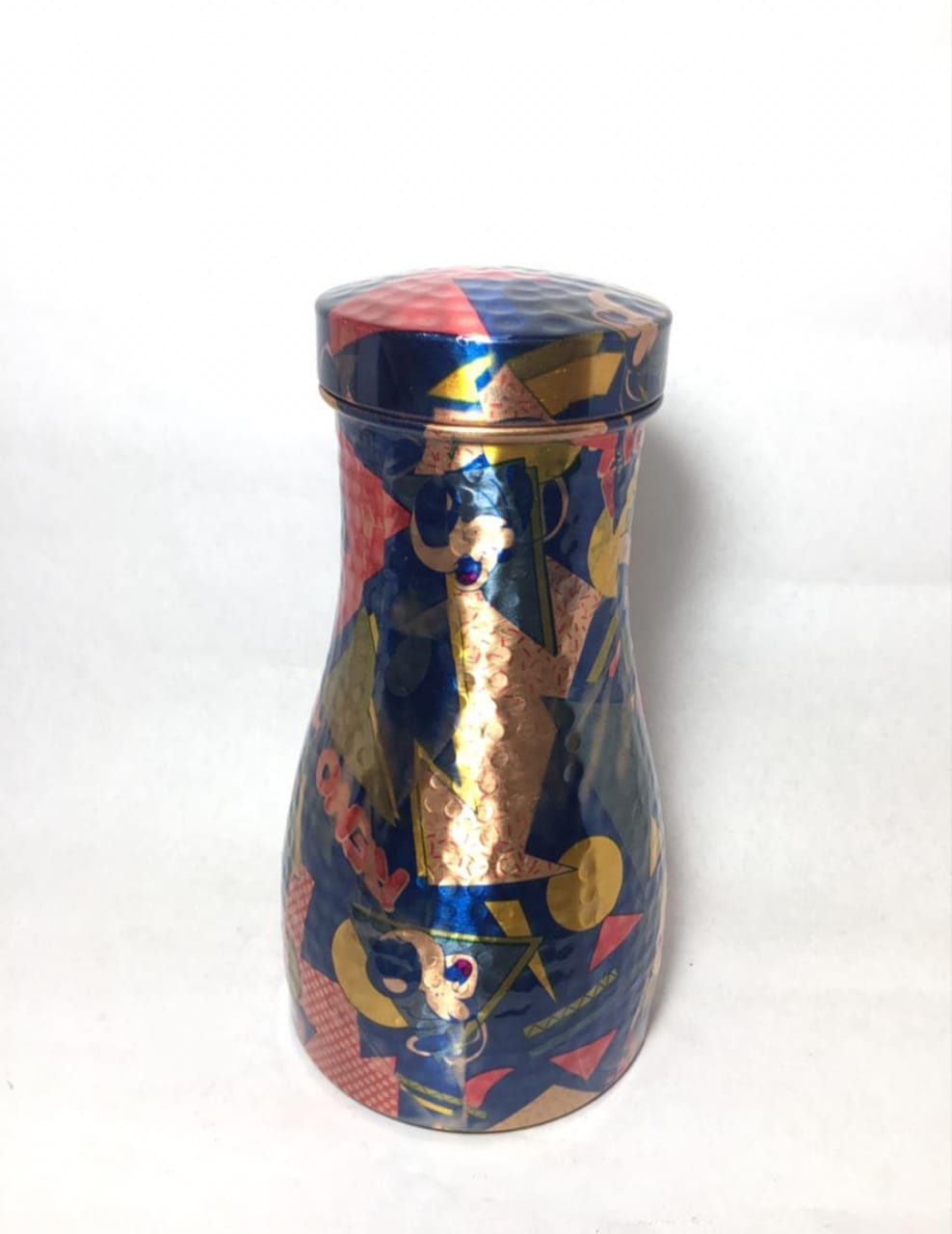
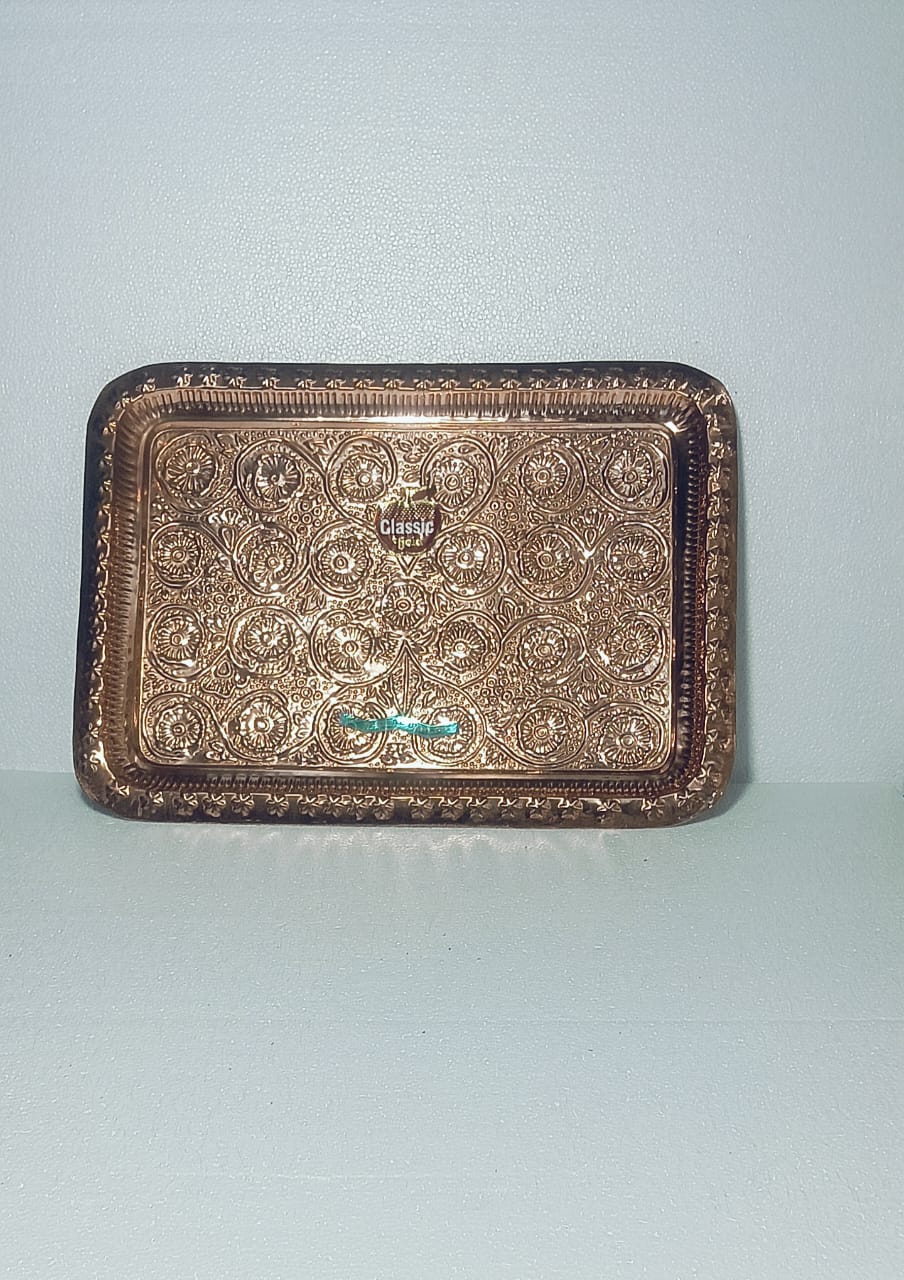
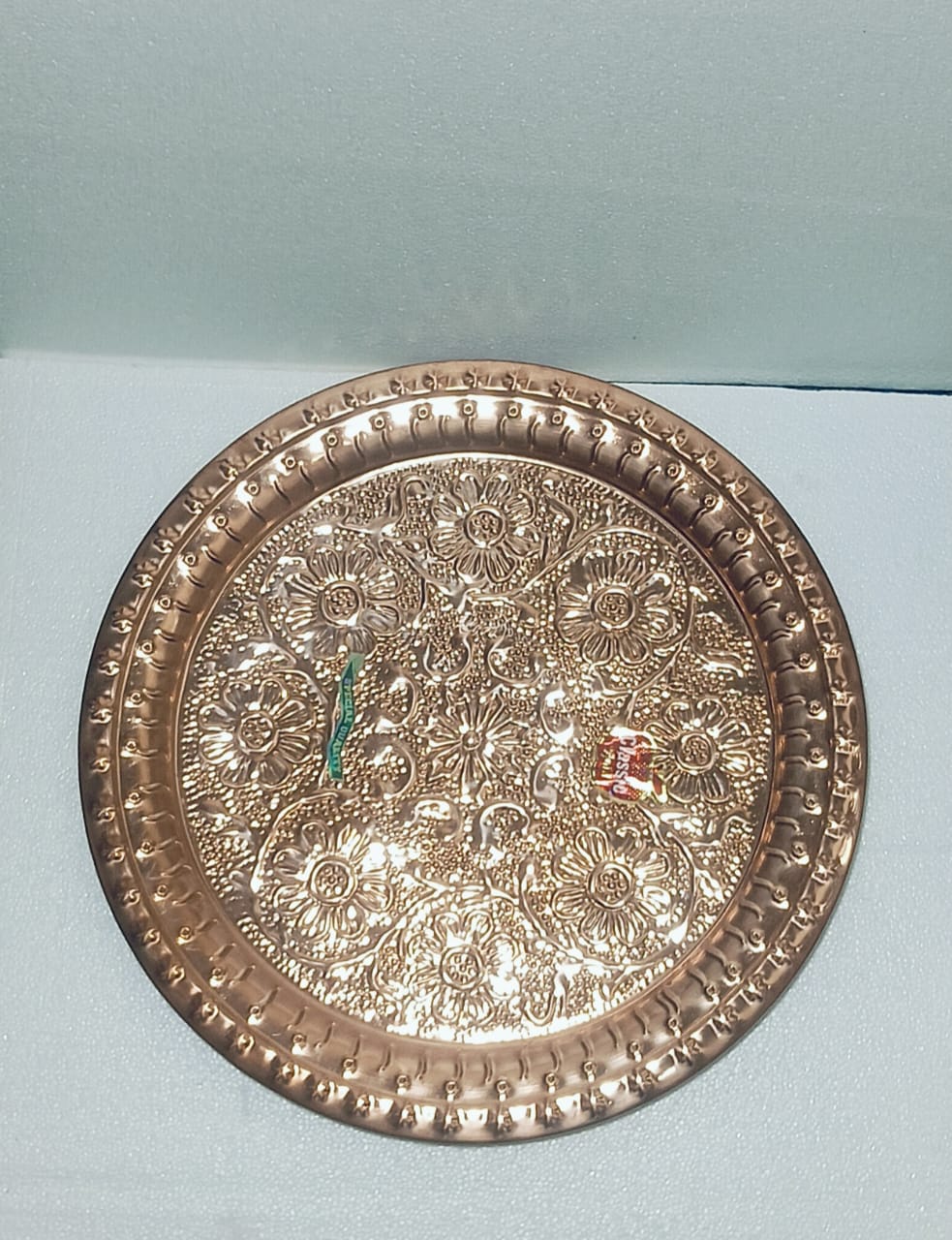
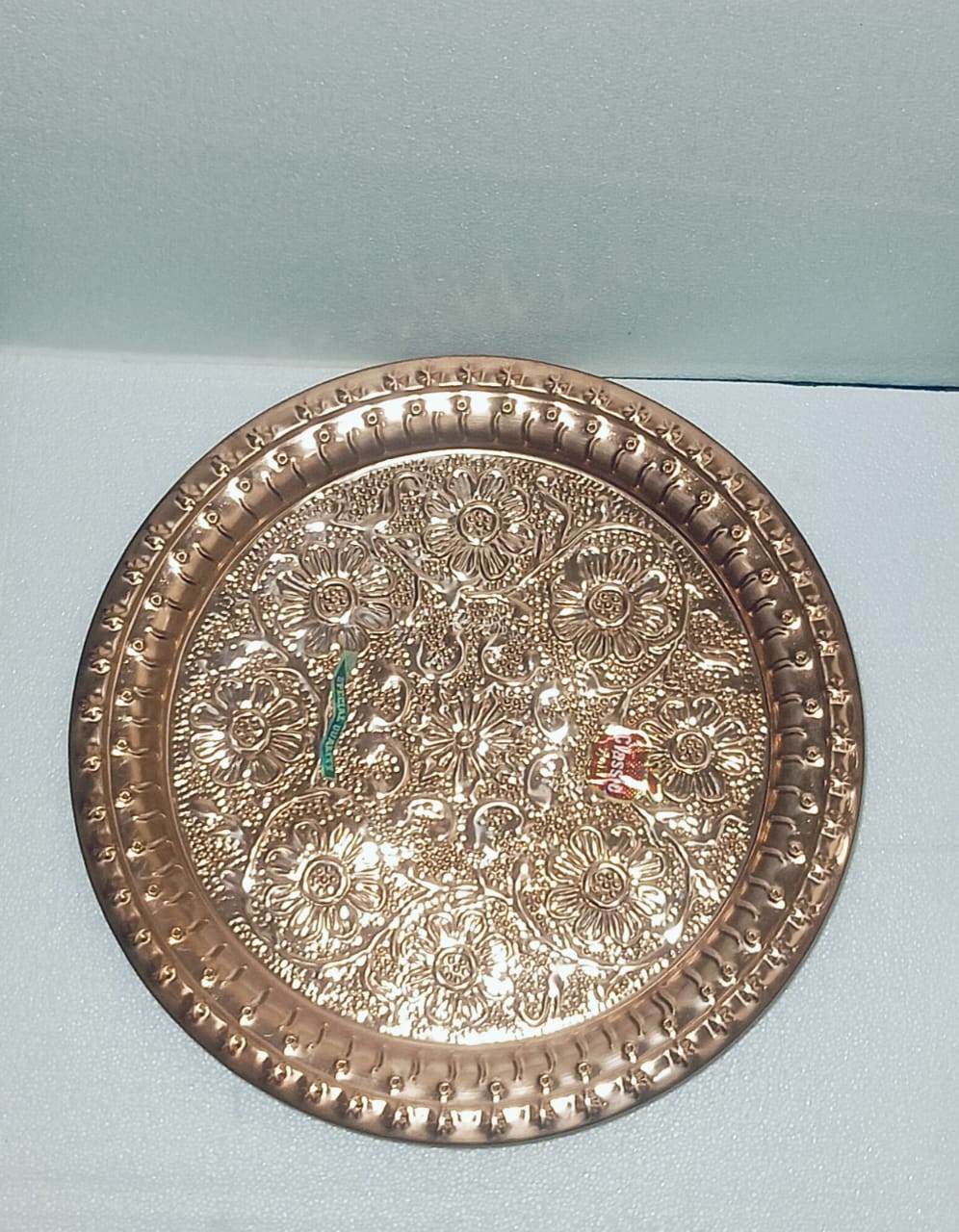
Copper Thali
Original price was: ₹1,450.00.₹1,350.00Current price is: ₹1,350.00.
Material : Copper
Size : 18 x 18 inch
Weight : 900 gm
Finishing : Polished
Description
About Copper Thali:
The Timeless Appeal of Copper Thalis: Tradition on Every Plate
In an age of modern kitchenware made from stainless steel, glass, and plastic, the charm of traditional copper utensils is making a strong comeback — and at the heart of this revival is the copper thali.
Used for generations in Indian households, temples, and royal kitchens, copper thalis represent much more than just a plate for food. They’re a symbol of cultural heritage, health wisdom, and refined aesthetics. Today, copper thalis are not only used for serving meals but also for religious rituals, gifting, and decorative purposes.
In this article, we explore the meaning, benefits, types, uses, and care of copper thalis — and why they remain relevant in the modern kitchen.
What Is a Copper Thali?
A copper thali is a large, round plate made primarily from copper. It is typically used for serving a full Indian meal consisting of rice, chapati, vegetables, lentils, salads, chutneys, and desserts — all neatly placed in different sections or small bowls (katoris) arranged on the thali.
Copper thalis are often used during traditional meals, festive occasions, or religious ceremonies. Depending on the purpose, a copper thali may be:
- Plain or engraved
- Polished or antique-finished
- Lined (e.g. with tin or stainless steel) for food safety
- Part of a full dinner set, including bowls, glasses, spoons, and more
Cultural & Historical Significance of Copper Thalis
Copper utensils, including thalis, have a long-standing history in Indian households. Ancient Ayurvedic texts and historical records mention the use of copper for storing and consuming food and water.
In royal households and temples thalis were used during bhog, prasad distribution, or community feasts (bhandara). Even today, thalis are widely used in:
- Religious ceremonies and pujas
- Offering meals to deities
- Serving traditional meals during weddings and festivals
They represent a return to holistic living, honoring the old ways that focused on metal healing, natural materials, and mindful eating.
Benefits of Using a Copper Thali
Here are several reasons why thalis are being embraced again — both in India and around the world.
✅ Health Benefits (Traditional Wisdom)
According to Ayurveda, copper is believed to:
- Balance the three doshas — Vata, Pitta, and Kapha
- Aid in digestion and metabolism
- Possess anti-inflammatory and anti-microbial properties
Storing and eating food in copper vessels is said to enhance immunity and detoxify the body. However, it’s important to note that modern science recommends not eating very acidic foods directly from raw copper surfaces, which is why many thalis are tin-lined (kalai coated) for safe usage.
✅ Aesthetic & Traditional Appeal
The rich reddish-brown glow of copper adds elegance to the dining table. A well-polished copper thali reflects light beautifully and adds a royal, vintage charm to any setting.
✅ Durable and Long-Lasting
Copper is a robust metal. A good-quality thali can last for decades, and even be passed down generations with proper care.
✅ Eco-Friendly
Copper thalis are 100% recyclable and free from plastic or harmful chemicals. By using copper utensils, you reduce your environmental footprint.
✅ Enhances Meal Experience
Eating from a thali isn’t just about health or tradition — it’s a sensory experience. The weight, texture, and temperature of the metal make dining more immersive and mindful.
Types of Copper Thalis
Copper thalis come in different variations, depending on their design, usage, and finish. Here are the most common types:
🔸 Pure Copper Thali
- Made entirely from high-grade copper
- Typically needs kalai coating to be food-safe
- Used for rituals or traditional dining
🔸 Tin-Lined Copper Thali (Kalai Coated)
- Interior coated with food-grade tin (Kalai)
- Prevents reaction with acidic foods
- Recommended for regular food consumption
🔸 Hammered Finish Thali
- Features textured, hand-hammered surface
- Hides scratches and adds artisanal touch
- Often used for decorative or festive serving
🔸 Engraved or Embossed Thali
- Decorated with traditional motifs like flowers, elephants, mandalas, etc.
- Ideal for gifting or ceremonial use
- Popular in weddings or housewarming gifts
🔸 Antique / Oxidized Copper Thali
- Treated to give a vintage or aged look
- More suitable for decoration or pooja use
🔸 Copper Thali Sets
- Complete dinner set including:
- One copper thali (plate)
- 3–5 small bowls (katoris)
- One tumbler/glass
- One spoon
- Ideal for gifting or full dining experiences
Common Uses of Copper Thalis
A thali is a multi-purpose item that can be used in various ways:
1. Traditional Meal Serving
- Perfect for South Indian thalis, North Indian thalis, or festive feasts
- Elevates the meal experience during special occasions
2. Religious Use
- Used in temples or home mandirs for:
- Bhog or Prasad offerings
- Pooja rituals
- Navratri, Janmashtami, or Diwali ceremonies
3. Decorative Purpose
- Can be displayed on walls or in showcases
- Acts as a conversation piece or centerpiece
4. Gifting
- Copper thalis are thoughtful gifts for:
- Housewarming ceremonies (Griha Pravesh)
- Weddings
- Anniversaries
- Diwali or festive occasions
5. Hospitality & Heritage Dining
- Used in hotels or restaurants offering ethnic or royal dining experiences
- Enhances the cultural vibe for guests
How to Choose the Right Copper Thali
When selecting a thali, keep the following points in mind:
- Purpose of Use
- For everyday meals: Choose tin-lined, food-safe thalis
- For decoration or pooja: Pure or engraved copper works well
- Size
- Standard thali sizes range between 11–14 inches in diameter
- For full meals, 12″ or more is ideal
- Weight & Thickness
- Heavier thalis are more durable and feel premium
- Avoid very thin copper sheets that dent easily
- Lining
- Look for kalai (tin) coating if you plan to serve food regularly
- Verify if it’s food-grade and done recently (re-kalai may be required periodically)
- Finish
- Hammered, polished, antique — choose based on your aesthetic taste
- Set vs. Single Piece
- For complete setups or gifting, a thali set is ideal
- Individual thalis can be bought for personal or spiritual use
How to Care for a Copper Thali
Thalis are relatively easy to care for, but require some attention to maintain their beauty and hygiene:
✅ Cleaning
- Hand wash with mild soap and warm water
- Avoid dishwashers or harsh chemical cleaners
✅ Polishing
- Use copper polish or a natural mix of lemon + salt or vinegar + baking soda to restore shine
- Rinse thoroughly and dry immediately after cleaning
✅ Tin Coating Maintenance
- Kalai (tin lining) may wear off after extended use
- Get it re-coated periodically (usually once every 6–12 months if used regularly)
✅ Storage
- Store in a dry place to avoid oxidation
- Keep separate from steel or iron utensils to avoid scratches
Copper Thali in Modern Homes
Despite their traditional roots, copper thalis blend beautifully into modern homes. Here’s how:
- Use them in ethnic-themed dinner parties
- Add them to your mandir for festive poojas
- Combine with boho or rustic interiors for wall décor
- Pair with copper glasses, bowls, and spoons for a complete aesthetic
The fusion of traditional utility and contemporary styling makes thalis a must-have in the modern conscious home.
Final Thoughts
A copper thali is more than just a plate — it’s a piece of history, culture, and craftsmanship. Whether you use it for everyday meals, festive occasions, or sacred rituals, a thali brings authenticity, beauty, and tradition to your table.
As consumers move toward sustainable living and heritage-inspired lifestyles, thalis have found their rightful place — not just in kitchens, but in hearts and homes.
Sample Meta Description (for SEO)
Explore the elegance and health benefits of copper thalis. Discover their uses, types, care tips, and why they’re a timeless addition to your kitchen and rituals.
Related products
-
- Sale!
- Kitchen
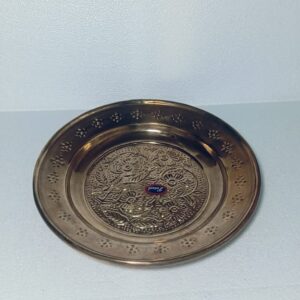
Copper Plate
- Original price was: ₹520.00.₹425.00Current price is: ₹425.00.
- Add to cart
-
- Sale!
- Kitchen
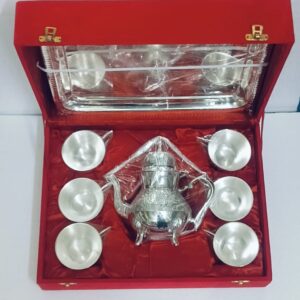
German Silver Teapot Set
- Original price was: ₹2,300.00.₹2,200.00Current price is: ₹2,200.00.
- Add to cart
-
- Sale!
- Kitchen
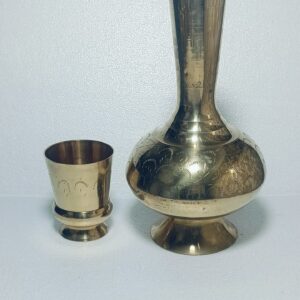
Brass Surahi With Glass
- Original price was: ₹1,050.00.₹950.00Current price is: ₹950.00.
- Add to cart
Reviews
There are no reviews yet.