
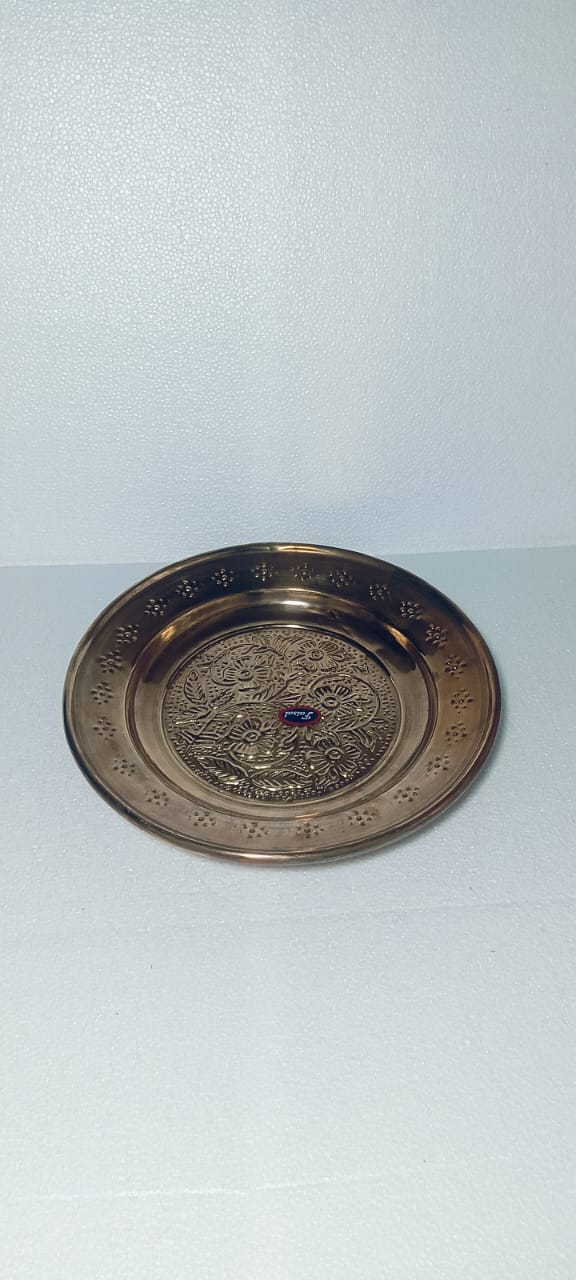
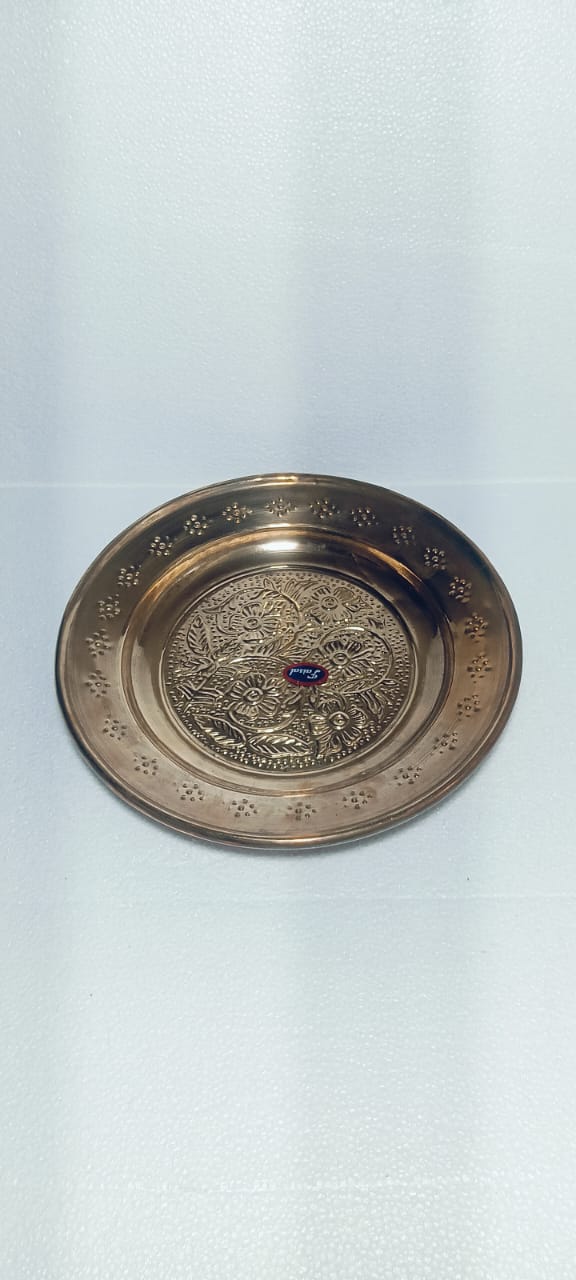
Copper Plate
Original price was: ₹520.00.₹425.00Current price is: ₹425.00.
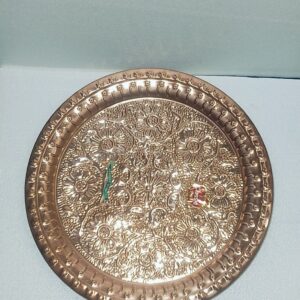
Material : Copper
Size : 24 x 24 cm
Weight : 290 gm
Finishing : Polished
Description
About Copper Plate:
Copper Plate: Heritage, Utility, Health & Care
Copper plate—plate made of copper metal—have been part of human culinary, ritual, and artistic traditions for centuries. Beyond their beauty, they carry functional, symbolic, and health‑related significance in many cultures. This article covers what copper plate are, their history and symbolic meaning, advantages and limitations, how to choose a good one, how to use and maintain it, safety considerations, styling ideas, and sample content for product listings or blogs.
What Is a Copper Plate?
A copper plate is a flat or shallow dish made from copper metal, used for serving, eating, rituals, display, or decorative purposes. It may be plain or have decorative engraving, hammering (textured surface), embossed designs, or coloured/tinned lining. Sizes range from small plates for individual servings to large “thalis” for meals, or even decorative plates hung on walls. Some have raised rims; some are completely flat; some may have feet or stands; some are utilitarian; others are collector’s pieces.
Historical & Cultural Significance
- Ancient use: Copper has been used since antiquity for making utensils, sacred items, coins, decorations. Using copper plates for serving food or offerings is traditional in many parts of South Asia and other parts of the world.
- Ayurveda & Traditional Beliefs: In Indian tradition (Ayurveda), copper is considered a sacred metal. Among its many uses, eating or serving food in copperware (plates, bowls) is believed to confer health benefits, such as aiding digestion or balancing bodily elements (doshas). (coppersmithcreations.in)
- Religious / Ritual Use: Copper plates often serve in temples, puja rituals, or as offering plates. Food for deities or prasadam is sometimes served on copper thalis, believing copper augments purity. (Exotic India Art)
- Aesthetic & Artisan Craft: Many copper plates are handcrafted—hammered surfaces, hand‑etched patterns, repoussé or embossed designs—which reflect local artistry and give each piece character. The warm hue of copper adds a traditional or heritage look. (Ashtok)
Advantages & Potential Benefits of Using Copper Plates
Using copper plates offers multiple benefits—some traditional, some practical.
- Natural Antimicrobial Properties
Copper is known to kill or inhibit growth of many bacteria, viruses, fungi (the “oligodynamic effect”). This means that plates made of copper are less likely to harbour microbes compared to some inert materials, especially if cleaned well. (coppersmithcreations.in) - Aid to Digestion & Health
According to traditional systems like Ayurveda, consuming food served on copper plates, or eating from copper utensils, can help with digestion, promote metabolism, reduce acidity, support immunity. Copper is also a trace mineral required for body functions. (Indian Metalware) - Thermal Properties
Copper conducts heat well. A copper plate can warm up food, hold heat for a little while, or help maintain warmth of food served. It heats evenly which helps in serving food warm (though care is needed so that plate is not too hot to handle). (Ashtok) - Durability & Longevity
Copper is durable and, with proper care, copper plates can last many years. The metal resists certain kinds of corrosion and wear better than many cheaper metals, especially if the plating or lining is good. (Ashtok) - Aesthetic Appeal & Traditional Ambience
The beauty of copper—the warm glow, reflective surface, age patina, decorative work—adds charm. Using copper plates can enhance table settings, festive meals, décor, ritual settings. It brings heritage feel. (Ashtok) - Sustainability
Copper is recyclable. Using copper plates instead of disposable or plastic serveware helps reduce waste. It is a more sustainable choice when used and cared for properly. (coppersmithcreations.in)
Limitations & Things to Be Careful About
Copper plates are not ideal in all situations. Here are some limitations or cautions:
- Reactivity with Acidic Foods
Copper reacts with acidic or sour foods (lemon, vinegar, tomato sauces, pickles). The acid may cause copper to leach into the food, which can change taste and in high amounts may be undesirable. It may also tarnish or discolour the plate. It is best to avoid serving highly acidic foods on bare copper plates. (Maps of India) - Maintenance Required
Copper tarnishes (oxidises) over time when exposed to moisture, air, acidic foods. Regular cleaning and polishing are needed to maintain shine. Without this, copper plates may become dull, develop spots or greenish patina. (Ashtok) - Handling & Heat Risks
Since copper conducts heat well, if food is hot, plate itself can become hot, which may pose risk of burns. Also plates may warp or get damaged if subjected to severe temperature changes rapidly. - Cost & Craftsmanship Variation
High‑quality copper plate with good finishing, thickness, lining or treatment costs more. Cheaper plates may have thin copper, uneven shape, poor finishing, or unsafe coatings. One must inspect quality. (Ashtok) - Safety & Over‑exposure
While small amounts of copper are essential, too much can lead to copper toxicity in rare cases. Particularly if using copper plates frequently with acidic foods, or storing acidic or liquid foods on them, risk grows. Moderation and safe usage practices are important. (Maps of India)
How to Choose a Good Copper Plate
To get the best from a copper plate, here are features to check:
- Material & Purity
Look for pure or high‑copper content plates, as opposed to heavily alloyed ones. If applicable, check if the plate has an inner lining or coating (e.g. tin lining, food‑safe finish) to reduce reactivity. - Thickness & Gauge
Thicker copper plates tend to be sturdier, more durable, less prone to bending or damage. Lightweight thin copper might look good but may not last or might warp or discolor more easily. - Finish & Surface Work
Choose between plain polished, hammered (textured), engraved or decorative. Hammered surfaces often hide small scratches better. Decorations should be well‑finished (not sharp edges, uniform depth). - Size & Shape
Match plate size to usage. For everyday meals, moderate size; for serving multiple items or large platters, larger. Rim height matters (flat vs with rim). Shape should allow for comfortable handling. - Safety & Certification
If plate is for everyday serving/eating, check if manufacturer ensures food‑grade or non‑toxic finish. If lined, ensure lining is safe and intact. - Aesthetic Fit & Cultural Style
Consider your décor: traditional, rustic, minimal, ornate. Copper plates can work in many settings, but design, finish, colour (whether shiny or aged) should match the room or table setting.
How to Use Copper Plate Effectively
To use copper plates well and get benefits safely, here are practical usage tips:
- Serve mild or non‑acidic foods on copper plates (rice, bread, dry items, curries without very sour gravy). If serving acidic foods occasionally, use lined copper plate or separate dish.
- Avoid leaving food in copper plate for long periods, especially wet or acidic food—it may accelerate tarnish or cause leaching.
- After serving, wipe or wash the plate soon. Do not allow food residues to sit.
- Dry thoroughly after washing. Moisture left on copper surface speeds up oxidation.
- For decorative copper plates, clean and polish periodically to maintain appearance.
- If you notice greenish or bluish corrosion (verdigris) inside or on surface, clean immediately; avoid ingesting any food directly from affected area until cleaned.
Care & Maintenance
To keep a copper plate looking good and functioning safely over time, these practices help:
Regular Cleaning
- Wash with warm water and mild soap. Avoid abrasive scrubbers that scratch copper. Use soft sponge or cloth.
- For stuck‑on food, soak in warm water first to loosen it, then gently scrub.
Removing Tarnish & Polishing
- Use natural methods: lemon juice + salt, vinegar + salt, baking soda paste. Rub gently, rinse, dry.
- Use specialized copper polish if available.
- For etched or engraved plates, clean crevices carefully.
Drying & Storing
- After washing, dry immediately and thoroughly, inside and out.
- Store in dry place. If stacking multiple plates, place soft cloth between them to avoid scratches.
- Avoid exposing to extreme humidity or moisture (bathrooms, damp storage, near dishwashers etc.)
Protective Measures
- If possible, apply a thin food‑safe lacquer coating if you prefer low maintenance (but may lose natural patina).
- Use liners or do not place hot oily foods directly on raw copper surface if unsure of lining.
- Use utensils (spoons, forks) that do not scratch metal.
Safety Considerations
- Be cautious with acidic foods—tomatoes, citrus, vinegary items—when using non‑lined copper plates frequently.
- Avoid heating copper plates drastically (for example putting cold plate into very hot oven) if they are not designed for that.
- For children, ensure application is safe; avoid sharp edges or corrosion.
- If you notice any unusual taste, or any gastrointestinal discomfort after using copper plate, reduce usage or consult a specialist.
Styling & Decorative Uses
Copper plates are not only utilitarian—they also serve as decorative items. Here are ideas:
- Traditional Dining Presentation: Use copper thalis in festive meals, special family gatherings to add traditional elegance.
- Decorative Wall Art: Beautiful copper plates (especially engraved or repoussé) hung on walls as décor in kitchens, dining rooms, hallways.
- Gift & Collectible Items: Copper plates with special engraving, names, motifs make good gifts—weddings, housewarmings, festivals.
- Rustic / Heritage Interiors: Mixing copper with wood, brass, earthenware creates warm, heritage‑inspired décor. Copper shine contrasts nicely with wood tones or stone.
- Restaurant / Themed Dining: In ethnic or boutique restaurants, plates enhance authenticity and special appeal.
- Photography & Display: Use plates as backgrounds or props in food photography; their warm tones help food look richer, more appetizing.
Sample Product Description Paragraph
Here’s a sample description you could use for a copper plate on a product page:
“Introducing this handcrafted Copper Dinner Plate made from high‑purity copper, featuring a hammered surface for rustic texture and charm. With a 12‑inch diameter and gently raised rim, it’s ideal for serving meals or as a decorative platter. The plate adds warmth to your table setting with its gleaming copper finish—a nod to traditional craftsmanship. Safe for everyday use with non‑acidic foods, easy to clean with mild soap and natural methods like lemon‑salt polish. Over time, the plate develops a soft patina that enhances its character. Perfect for gifting or adding heritage charm to your home.”
Conclusion
Copper plates combine art, tradition, health, and utility in a single item. When chosen carefully, used wisely, and maintained properly, they offer significant aesthetic pleasure, durable functionality, and potential health benefits rooted in ancient wisdom. For your website, emphasizing both the heritage and the safe, practical use of copper plates will help customers or readers understand their value, care requirements, and choose what suits them best.
Related products
-
- Sale!
- Kitchen
Brass Mina Tray
- Original price was: ₹650.00.₹600.00Current price is: ₹600.00.
- Add to cart
-
- Sale!
- Kitchen
Copper Thali
- Original price was: ₹1,450.00.₹1,350.00Current price is: ₹1,350.00.
- Add to cart
-
- Sale!
- Kitchen
Copper Serving Donga
- Original price was: ₹850.00.₹750.00Current price is: ₹750.00.
- Add to cart

Reviews
There are no reviews yet.