
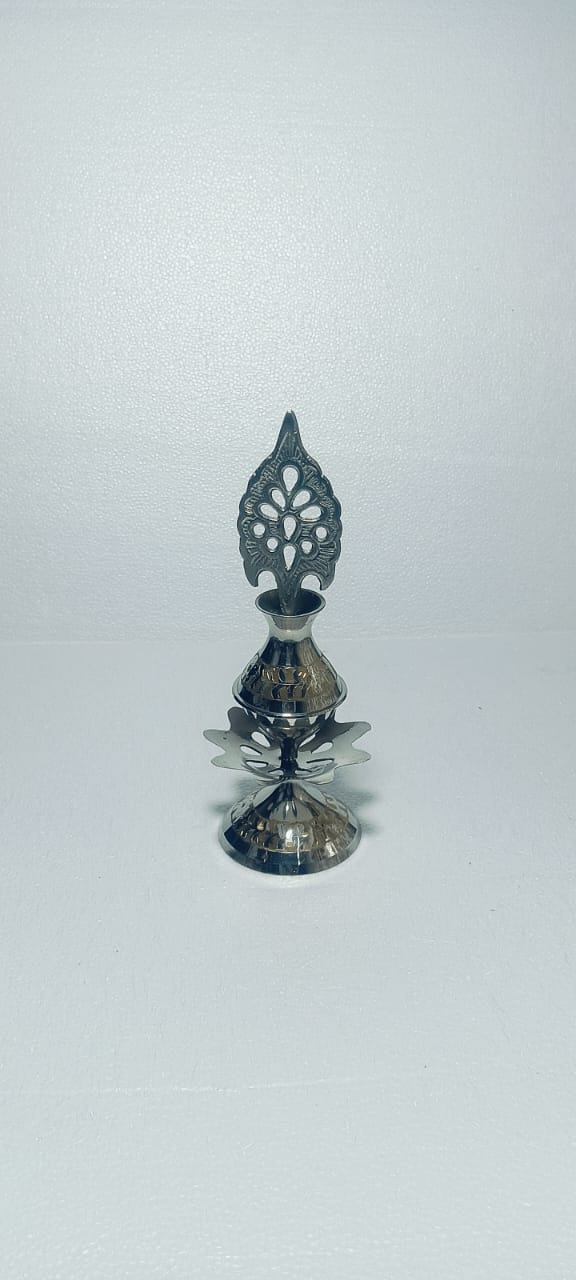
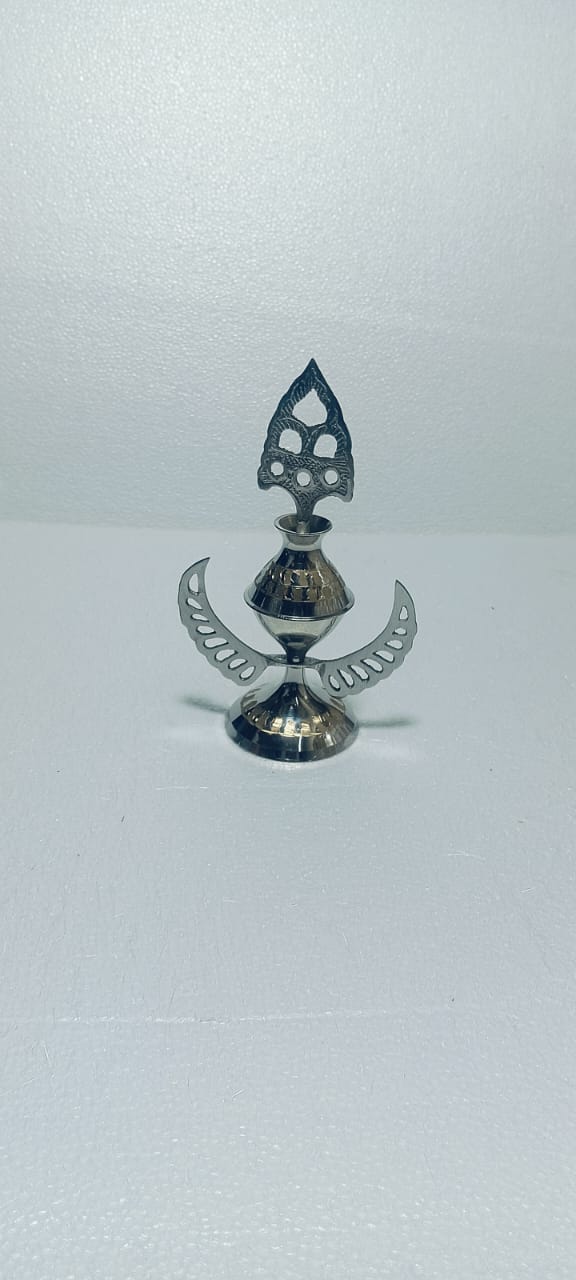
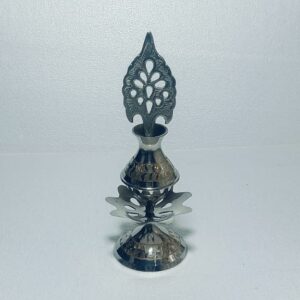
Brass Surmedani
Original price was: ₹300.00.₹250.00Current price is: ₹250.00.
Material : Brass
Height : 7 inch
Weight : 110 gm
Finishing : Silver
Description
About Brass Surmedani:
Brass Surmedani: Tradition, Craft, Use & Care
A Brass Surmedani is a small decorative container made of brass, traditionally used to store surma, kohl, or kajol—eyes cosmetics used in South Asia and the Middle East. This object blends utility, ritual, heritage, and artistry. Beyond its cosmetic purpose, it often holds cultural and emotional meaning, making it a popular decorative piece and gift. This article explores brass surmedanis: their history, design, types, benefits and drawbacks, how to choose a quality one, how to use it safely, how to care for it, and styling ideas for home or product‑websites.
What Is a Surmedani?
- The word “Surma Dani” (or Surmedani) combines two parts: surma (or surma / surma/kajal / kohl)—the traditional dark eye cosmetic—and dani (or dani / dani / pot / container) which means a container or small pot. So a surmedani is essentially a pot that houses surma.
- Surma / kohl is a fine dark powder or paste used traditionally to line the eyelids, often believed to protect eyes from glare, treat or prevent eye ailments, or for aesthetic / decorative reasons. The material stored in the surmedani may be a traditional herbal or mineral mix, or modern manufactured kajal.
- The brass surmedani is the metal container for storing surma safely, often incorporating a small lid, matching spoon or stick, sometimes in decorative form. Because surma/kajal is tied with ritual, beauty, and tradition, the surmedani is also considered elegant and often ornamented.
Historical & Cultural Significance
- Surma / kohl use has ancient roots—used in Egypt, South Asia, Arabic lands, etc. Containers for kohl have been part of traditional grooming and ritual kits for centuries.
- The surmedani, especially when made of brass, aligns with traditions in India, Pakistan, Nepal, and some Middle Eastern cultures. Brass as material has been customary for utensils, ritual items, and cosmetics containers because of its durability, metal work possibilities, and traditional aesthetic.
- Beyond practical use, the surmedani is part of daily ritual and cultural identity: applying kohl from a beautiful container, having it on one’s dressing table, gifting it during weddings or festivals. Handmade brass surmedanis often reflect local craftsmanship styles, engraving, ornamental motifs.
- Manufacturers and artisans in orthodox craft centres (for example Moradabad in Uttar Pradesh, India) make brass surmedani in various sizes, finishes, designs. (mkinternational.in)
Design, Components & Varieties
A well‑crafted brass surmedani typically has certain components and design features; there are various styles and sizes too.
Typical Components
- Body / Pot: the main container, often cylindrical or slightly tapering. Size may vary (from ~5‑10 cm height commonly) depending on usage. (Aajjo)
- Lid / Cover: many surmedanis have a lid to protect the surma from dust, moisture, or contamination. Some lids may have hinges, others removable.
- Spoon or Stick: small applicator (metal, wood, etc.) may accompany the pot for dipping/kajal application.
- Ornamentation: engraving, embossing, decorative shapes (e.g. parrot shape, floral motifs), finishing (polished, antique, coloured). (Ragaarts)
- Size & Shape Variants: small for travel or daily use; larger decorative surmedanis for display. Some are tall and slender; others squat and wide. Traditional shapes (round, “kharbooza” / pumpkin‑like) may also exist. (Meesho)
Design Styles
- Plain / Minimalist: smooth brass finish, clean lines, minimal ornament.
- Decorative / Antique: engraved or embossed designs, vintage‑look finishes, possibly coloured or lacquered.
- Novelty / Thematic: shaped like animals (parrot, etc.), or include motifs or colour accents. (Ragaarts)
Advantages & Benefits
Using a brass surmedani offers several advantages—practical, aesthetic, and cultural.
- Durability and Longevity
Brass is robust, capable of withstanding daily use. Unlike fragile glass or cheap plastic, a well‑made brass container can last many years without breaking. - Aesthetic Appeal
The warm golden hue of brass, decorative texture or polish, reflects light, looks elegant. A beautiful surmedani enhances the dressing area or home decor. - Cultural & Emotional Value
Because of its association with beauty rituals and tradition, owning a nice surmedani connects one to heritage. It can be a gift of meaning. - Hygiene & Protection
The lid protects contents from dust, moisture, etc. A proper container keeps the surma or kohl clean, guarded from contamination. - Versatility in Design
Artisans can make surmedanis in many designs, sizes, finishes. This allows matching to personal taste or decor themes.
Limitations & Things to Consider
While brass surmedani are useful and beautiful, there are some drawbacks or issues to be aware of.
- Metal Oxidation / Tarnishing
Brass exposed to moisture or certain conditions may tarnish, develop patina, or even greenish oxidation. Without care, this may affect appearance. - Maintenance Needs
To keep it shining and clean, regular polishing or cleaning is needed. The interior (where surma is stored) must be cleaned carefully to avoid contamination. - Potential for Metal Reactivity
If surma contains ingredients that react with metal, or moisture enters, there might be chemical interactions. Also, residue of surma + moisture + metal may degrade content quality. - Size / Portability
Very ornate or large surmedanis are less portable. For travel, small, sealed containers are more practical. - Cost / Craftsmanship Variability
Hand‑made, finely decorated brass surmedani cost more than simple mass‑produced ones. In less expensive ones, finish or quality may be lower (thin brass, less clean edges, rough lid fit).
How to Choose a Quality Brass Surmedani
If buying or featuring brass surmedanis, these criteria help ensure good quality and satisfaction.
- Material & Thickness: Prefer solid brass with sufficient wall thickness; not too thin that it dents easily.
- Finish & Craftsmanship: Smooth polished or antique finishes should be even; ornamentation (if present) should be clean and not rough. Lid should fit well; edges of pot and lid should not be sharp.
- Size & Usability: Choose one sized for how often you use it. Small for daily carry, mid‑size for vanity, larger ones for showpiece or gift.
- Interior Cleanliness and Finish: Interior should be smooth; no rough casting marks; easy to clean.
- Design & Ornament Matching: If giving as gift, matching theme or design with rest of décor helps. Ornamental motifs should suit recipient’s taste.
- Safety: Ensure that the brass is free of harmful coatings or chemicals; avoid hidden sharp edges; ensure lid is secure to prevent spillage of surma or small applicator.
Practical Use & Ways to Use Safely
Here are suggestions for practical use of surmedani in daily life, with safety and hygiene in mind.
- Use a clean applicator each time; wash applicator or spoon periodically to avoid buildup of bacteria.
- Store surma in a cool, dry place inside the surmedani; keep lid closed when not in use to avoid moisture.
- Clean interior occasionally: empty content, wash gently with mild soap (if applicable), rinse thoroughly and dry before refilling.
- If the surma content is old or smells bad or looks contaminated, discard and use fresh surma.
- Avoid direct exposure to very humid environments to prevent tarnish or moisture collection inside.
Care & Maintenance of Brass Surmedani
To keep the surmedani beautiful, safe, and lasting, ongoing care is important.
- Cleaning
- Wash with warm water and mild dish soap (outside and inside). Avoid harsh detergents, bleach, or abrasive pads.
- Rinse thoroughly to remove soap, note any lingering residue.
- Polishing / Removing Tarnish
- Use lemon + salt or vinegar + baking soda pastes gently for spots.
- Commercial brass polish is an option.
- After polishing, wash and dry completely.
- Drying
- Always dry inside and outside after cleaning. Moisture can cause stains, tarnish, or degrade stored surma.
- Storage
- Keep in a dry place; avoid exposure to water splash or moisture.
- If you have multiple surmedanis, pack or wrap them to avoid scratches.
- Inspecting for Damage
- Check for dents, cracks, lid fit issues.
- Sharp edges or rough surfaces should be smoothed.
Safety & Health Considerations
While brass surmedani are mostly safe, some caution is advised.
- Ensure surma / kohl used inside is safe, hygienic, and free from toxic substances (some modern kajals may contain unsafe chemicals). The container helps, but it cannot protect against bad quality materials.
- Avoid using brass surmedani in situations where it might contaminate surma with dirt, rust, or moisture.
- For children, ensure the surmadani is used under supervision, especially because surma is applied near eyes.
- If interior metal residues discolor or taste change, clean thoroughly.
Styling & Decorative Uses
Beyond functional use, brass surmedani can be beautiful decorative accents. Here are ways to style them or present them on websites.
- On Dressing Tables / Vanities: A polished brass surmedani adds elegance. Can be paired with other brass items (mirror frames, trays).
- As Part of Traditional / Ritual Décor: Incorporated into puja corners, decorative trays, or clusters of ritual items.
- Gift Sets: Paired with matching surma/kajal, small mirror, or other cosmetic accessories; boxed nicely makes for a treasured gift.
- Collectible Showpieces: Ornate or special‑edition surmedanisi are collected by enthusiasts of traditional metal crafts.
- Themed Interiors: For vintage, Mughal, or ethnic décor, brass surmedani match well with warm colors, wooden or brass furniture.
- Photography & Product Display: Close‑ups of ornamentation; showing size comparison; showing lid, applicator; showing light reflections to highlight finish.
Sample Product Description Paragraph
Here’s a sample paragraph you could use (or adapt) for your website’s product listing or blog:
“Experience the elegance of tradition with this handcrafted brass surmedani. Made of polished brass, it features a snug‑fitting lid and a small applicator spoon to store and apply kajal with ease. Ornate engraving around the lid gives it an antique appeal, while its compact ~8 cm size makes it perfect for daily use on your dressing table. Whether for personal beauty rituals or as a meaningful gift, this surmedani blends practicality and heritage. Please ensure it is cleaned regularly, and keep dry when not in use, to preserve its sheen and protect the kajal contents.”
Conclusion
Brass surmedani are small but deeply meaningful objects: serving both functional and symbolic purposes. They preserve tradition, allow safe storage of kohl / kajal, carry artistic craftsmanship, and add beauty to personal spaces. When chosen well, used carefully, and maintained properly, they can last years as cherished items. For your website content, emphasizing both the tradition and practical aspects (material quality, safety, care, aesthetic) will help visitors appreciate the value of brass surmedani—whether as items to buy, gift, or display.
Related products
-
- Sale!
- Brass Surmedani
Brass Surmedani
- Original price was: ₹450.00.₹350.00Current price is: ₹350.00.
- Add to cart
Reviews
There are no reviews yet.