
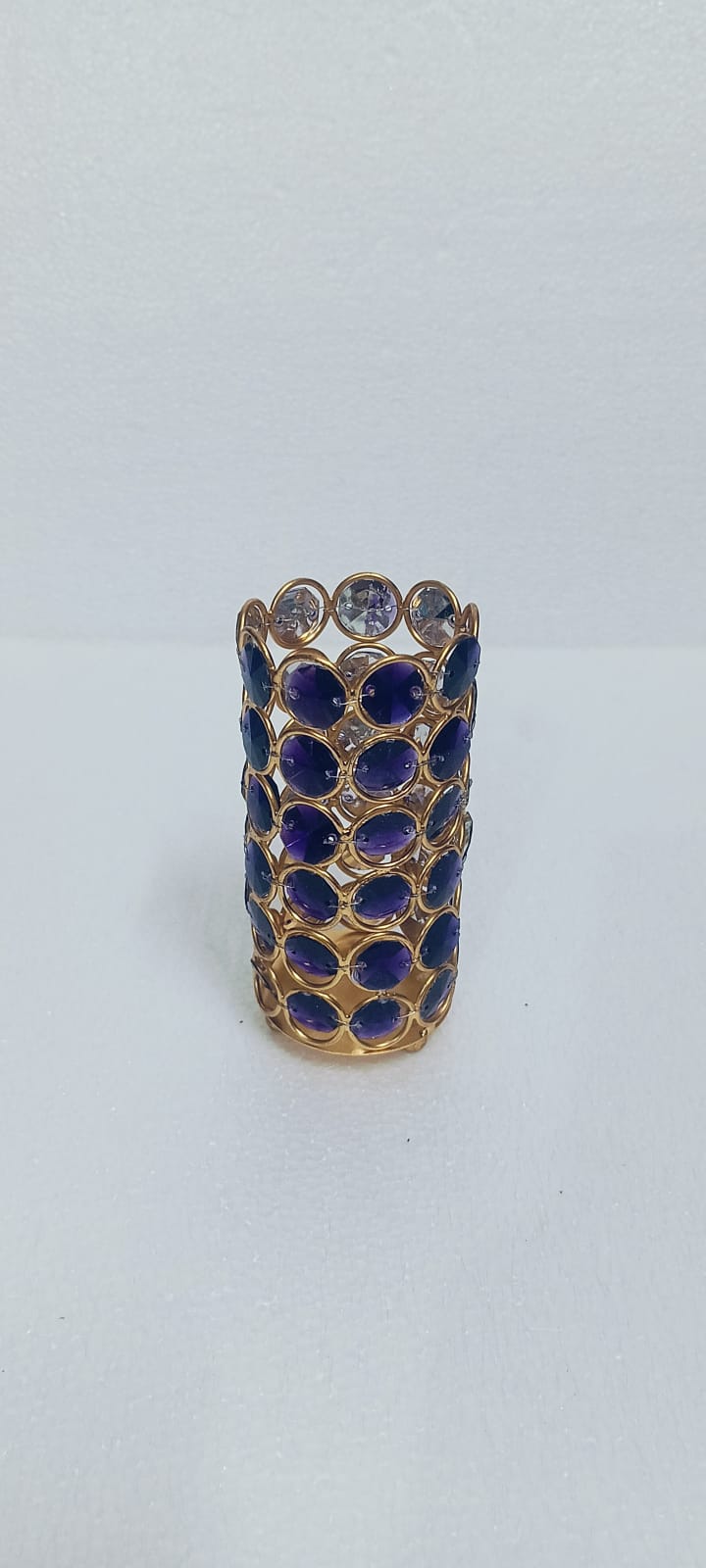

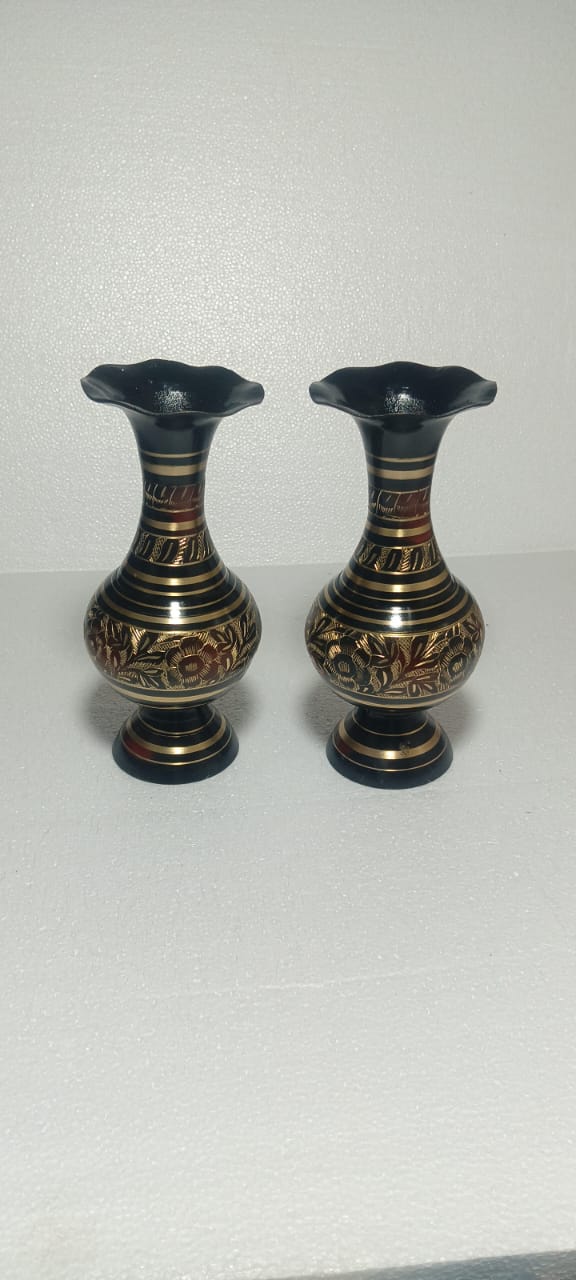
Brass Flower Pot
Original price was: ₹650.00.₹550.00Current price is: ₹550.00.
Material : Brass
Height : 8 inch
Weight : 320 gm
Finishing : Ambossed
Description
About Brass Flower Pot:
Brass Flower Pot: Beauty, Tradition, Use & Care
A brass flower pot is more than just a vessel to hold soil and plants—it’s a blend of artistry, heritage, durability, and elegance. Whether used indoors to enhance your living room or outdoors to decorate a patio or balcony, brass planters catch the eye, radiate warmth, and bring a touch of timeless charm. In this article, we’ll explore what a brass flower pot is, its advantages and limitations, how to choose a quality one, practical uses, maintenance tips, safety, and how to style them effectively in your home or garden.
What Is a Brass Flower Pot?
A brass flower pot (or brass planter) is a container made largely or wholly of brass (an alloy of copper and zinc), designed to hold plants, flowers, or vegetation. These pots may have various shapes (succulent pots, bowls, cylindrical or tapered pots, gamlas), finishes (polished, antique, hammered, matte), design elements (engraving, embossing, decorative rims), sizes (small tabletop pots to large outdoor planters), and may include linings or coatings inside to protect the brass or to help preserve the plant health.
Brass flower pots are crafted by artisans in many parts of the world, sometimes hand‑made, sometimes machine formed. Their materials and craftsmanship quality can vary widely, from thin sheet brass to thick, heavy gauge pieces.
Historical & Aesthetic Significance
- Heritage & Craftsmanship: In several regions (such as India, Southeast Asia, Middle East), brasswork is a traditional craft. Artisans have used brass planters not only as practical items but as decorative showpieces, oftentimes with intricate detailing. For example, some Indian brands sell hand‑crafted brass planters (planters or “potolai” / “pital pots”) made with solid brass and traditional ethnic motifs. (bhunes.com)
- Aesthetic Appeal: Brass has a warm golden hue. When polished, it gleams; when allowed to oxidize a little, it develops a patina that adds rustic, vintage character. The color contrast between brass flower pot green plants and golden brass is visually pleasing. Many decorative brass flower pots are made to be part of home décor as much as plant containers. (Ashtok)
- Versatile Design: Brass allows for rich design variation — shapes, textures, rims, legs, patterns. Whether smooth, hammered, or with decorative hands, brass planters can match traditional, ethnic, modern, or minimalist styles. (bhunes.com)
Advantages of Brass Flower Pot
Here are some upsides to choosing brass planters:
- Durability and Strength
Brass is a strong metal alloy. A well‑made brass pot can endure outdoor conditions, resist rusting (unlike plain iron), and hold up well over years of exposure, especially if allowed drainage and proper care. (Ashtok) - Visual Warmth and Elegance
The golden tone of brass adds richness to any space. Indoors or outdoors, brass reflects light, highlights plant colors, and gives a touch of luxury or heritage. - Long Lifespan / Value
Because brass does not corrode easily, and if thick enough, does not deform or break easily, brass planters often last longer than many cheaper plastic or thin clay pots. The investment in good brass can pay off over time. (P-TAL) - Natural Aging / Patina
Many people like the natural aging of brass — a soft patina that gives character. This can be a desired look, especially in rustic or vintage decor styles. (Ashtok) - Cultural / Decorative Value
Brass planters often fit well with traditional décor, temples, pooja (worship) rooms, courtyards. They are also gifted in weddings, housewarmings because of their beauty and perceived auspiciousness. (bhunes.com)
Limitations & Things to Consider
Despite many benefits, there are some challenges or potential drawbacks with brass flower pots. Being aware of these helps in making the right choice and maintaining pots well.
- Weight
A heavy brass planter, especially when filled with soil and a plant, can become very heavy. Moving them around becomes difficult. For large planters, this is an important ergonomic consideration. (bhunes.com) - Heat Conduction & Temperature Control
Brass can get hot if in direct sunlight. The metal heats up fast and can transfer that heat to soil and roots, potentially harming plants. In hot climates or direct sun, this can be a risk. Choosing shaded placement or insulating liners helps. - Cost
Compared to plastic, terracotta, or basic clay pots, brass tends to cost more—both because of raw material and craftsmanship. Authentic, thick, hand‑crafted brass planters are premium items. (bhunes.com) - Maintenance & Tarnishing
Over time, brass surfaces tarnish or develop spots, especially if exposed to moisture, fertilizers, water splashes. To keep them shiny, polishing or cleaning is necessary. If neglected, they may lose their lustrous appeal. (Ashtok) - Potential for Metal Leaching / Plant Health Concerns
The interaction between brass (copper and zinc) and soil moisture, fertilizers, or water could lead to metal ions entering soil. For some sensitive plants or soil conditions, this may affect root health. Using liners, ensuring good drainage, and occasionally changing soil help minimize risks. (While not all sources definitively confirm harm, it is a point often discussed among gardeners.) (Reddit) - Corrosion / Oxidation
Although brass is more resistant than many metals, moisture and environmental elements can oxidize it. If coastal or very humid environment, brass may develop greenish or brownish oxidation. Protective finish or placing in less harsh exposure helps. (Ashtok)
How to Choose a Quality Brass Flower Pot
To get the best from brass flower pots, here are features and criteria to check when choosing one:
- Material Quality & Metal Thickness
Thicker gauge brass will be more durable; thin brass may dent, warp, or degrade faster. - Finish & Coating
Polished surfaces, antique finishes, hammered textures, lacquer or protective coatings. Some brass planters have a lacquer finish or varnish to reduce tarnishing. (Amazon इंडिया) - Design & Shape
Mouth size (wide enough to accommodate plant and facilitate watering), base stability, drainage, handles if needed, tapered or cylindrical vs bowl shapes. Small pots for succulents, medium for houseplants, large for statement pieces. - Drainage Provisions
Plants generally need drainage holes, or else water can stagnate. If brass pot does not have holes, using inner pot liners, or ensuring water doesn’t collect at bottom is essential. - Size Matching to Plant and Space
The pot should suit the plant’s root system size and the space where you place it. Large planters need stable base, possibly stands; tabletop pots need smaller size. - Artisan Workmanship
If hand‑made, check craftsmanship: smooth edges, consistent thickness, no sharp seams, well‑joined parts, balanced shape. Decorative motifs should be clean. - Suitability for Indoor vs Outdoor Use
Outdoor brass pots need better finish or protective coatings to withstand weather. Indoor ones have less exposure so less risk; also lighter styles may suffice indoors. - Cost vs Value
Compare price with thickness, finish, craftsmanship. Sometimes paying more for higher quality saves replacement costs and gives more satisfaction.
Practical Uses & Styling Ideas
Here are ways to use and style brass flower pots in your environment:
- Indoor Greenery
Use brass pots for houseplants like pothos, snake plants, succulents, peace lilies. A brass pot placed on a shelf, coffee table, windowsill can enhance décor. The pot’s shine complements green foliage nicely. - Outdoor Garden or Balcony
Large brass planters or gamlas can be placed on patios, porches, balconies. Positioned under partial shade to avoid overheating. Using a liner or stand helps protect surfaces and soil. - Grouped Displays
Group pots of different sizes or heights together. Mixing brass with other materials Brass Flower Pot (wood, ceramic, stone) can create interesting contrast. For example, small brass planters beside clay pots give variety in texture and color. - Statement Pieces
Large brass planters in corners, entryways, or as focal points. Choosing ornate design or antique finish makes them centrepieces. - Decorative Décor & Gifting
Brass pots with intricate designs can be gifts. They also serve as decorative items when empty, or used to hold flowers, dry arrangements, or as bases for décor features. - Themed / Traditional Use
In religious or traditional décor settings, brass planters can be used in temple corners or pooja spaces, combined with brass lamps, kalash etc. They align with traditional aesthetic sensibilities.
Care & Maintenance Tips
To keep your brass flower pot beautiful and functional for years, here are maintenance practices:
Cleaning
- Use mild soap and warm water. Clean gently with soft cloth or sponge. Avoid harsh detergents or abrasive scrubbers.
- Wash regularly to remove soil, water stains, fertilizer residues.
Polishing & Removing Tarnish
- Homemade cleaners: paste of lemon juice + salt, or vinegar + baking soda can remove tarnish. Rub gently, rinse, dry.
- Commercial brass polish works too; ensure it is safe for decorative metals.
Drying & Preventing Moisture Damage
- After watering, ensure excess water drains away and pot interior is dry. Avoid water stagnation in bottom.
- Wipe water off exterior surfaces to prevent water spots or corrosion.
Protective Finish
- If available, a lacquer or protective coating helps preserve shine and slows tarnish.
- Wax finishes or occasional sealing help in outdoor exposure.
Liners & Drainage
- Use inner pot liners (plastic or terracotta) to separate soil from brass surface; helps prevent direct contact and potential metal leaching.
- If pot lacks drainage holes, ensure soil mix drains well; avoid over‑watering. Elevate pot slightly so bottom doesn’t sit in water.
Avoiding Harsh Conditions
- Avoid placing brass pots in extreme heat (direct sun midday, near grills etc.).
- Protect from frost or freeze conditions if brass is outdoors in cold climates—moisture + freezing can damage or warp metal.
Safety Considerations
- Ensure that brass used is safe metal alloy (free of harmful contaminants). For planting this is less critical than for food, but still good practice.
- Plants are generally not harmed by brass pots if conditions are reasonable; though as mentioned, excessive moisture, acids, or fertilizer build‑up can cause metal ions to leach. Lining helps reduce risks.
- If using for edible plants (herbs, vegetables), ensure the soil and pot are safe (no rust or materials that could introduce toxins). Washing harvested herbs well is advisable.
Environmental & Sustainability Aspects
- Durability Means Less Waste: Because brass pots last long, they reduce need for frequent replacements compared to plastic or cheap materials.
- Recyclability: Brass is a recyclable metal. At end of its use, it can often be recycled into new brass items.
- Hand‑made or Local Craft: Supporting artisans who make brass pots maintains craft traditions, supports local economies, reduces industrial mass‑production environmental footprint.
- Natural Aging Over Chemical Finishes: Allowing gentle natural patina rather than coating with heavy chemicals can reduce environmental impact.
Sample Product Description Paragraph
Here’s a sample you could place on a website product page to describe a brass flower pot:
“This handcrafted brass flower pot combines elegance and functionality in perfect harmony. Made from high‑grade solid brass with a gently hammered finish, it features a wide mouth for easy planting, and a sturdy base for stability. With a diameter of 15 cm and a height of 12 cm, it is ideal for succulents, small flowering plants or indoor greenery. The pot is polished to a warm golden sheen that naturally develops a vintage patina over time. Inside is smooth and rinsed, ready for soil or an inner liner. Whether used on a balcony, window sill, or tabletop, it adds charm, character, and heritage to any space. Care included: clean with mild soap, polish occasionally, keep from standing water, and store in shade if outdoors.”
Summary & Key Takeaways
- Brass flower pots bring together beauty, tradition, and strength. They serve both practical and decorative roles.
- When choosing one, check for thickness, finish, drainage, size, and craftsmanship.
- Regular care (cleaning, drying, polishing) helps preserve their shine and prevent corrosion.
- Use lining and ensure proper drainage for plant health.
- Brass pots make excellent décor pieces, gifts, and can align with eco‑friendly pairings.
Related products
-
- Sale!
- Home Decor
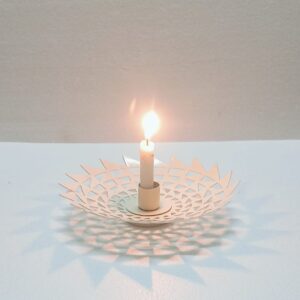
Iron candle stand
- Original price was: ₹650.00.₹550.00Current price is: ₹550.00.
- Add to cart
-
- Sale!
- Home Decor
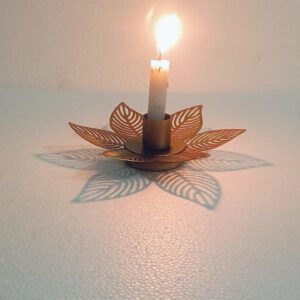
Iron Candle Stand
- Original price was: ₹350.00.₹300.00Current price is: ₹300.00.
- Add to cart
-
- Sale!
- Home Decor
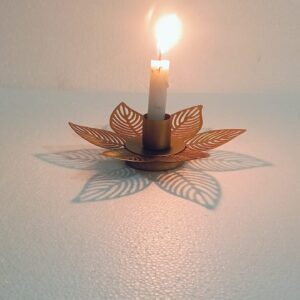
Iron Candle Stand
- Original price was: ₹650.00.₹550.00Current price is: ₹550.00.
- Add to cart
Reviews
There are no reviews yet.