

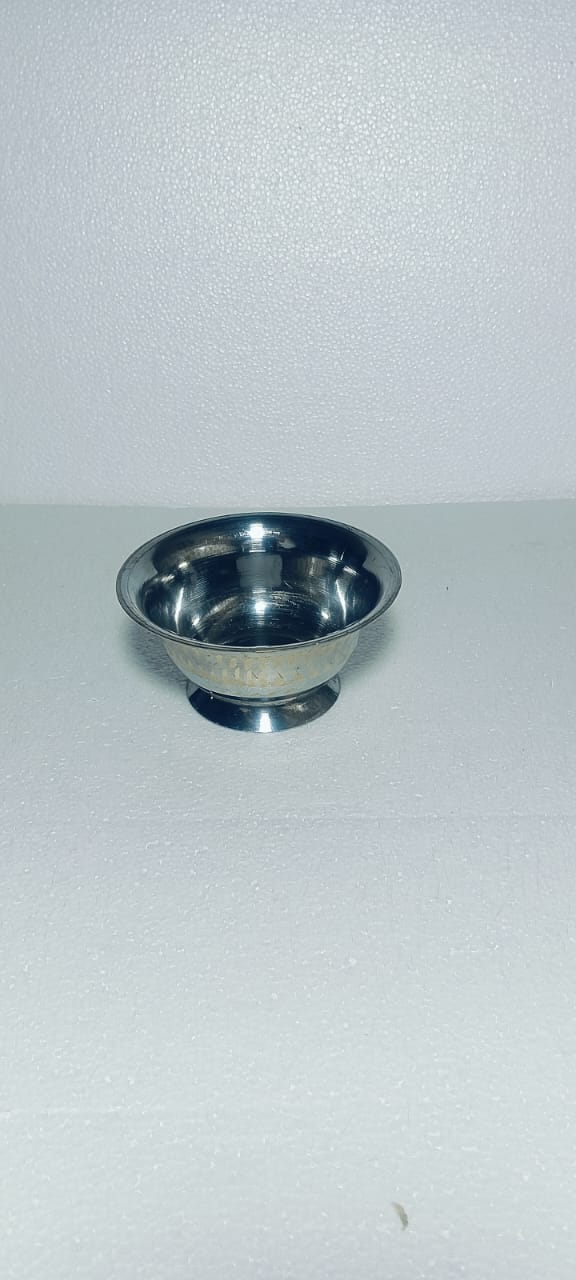
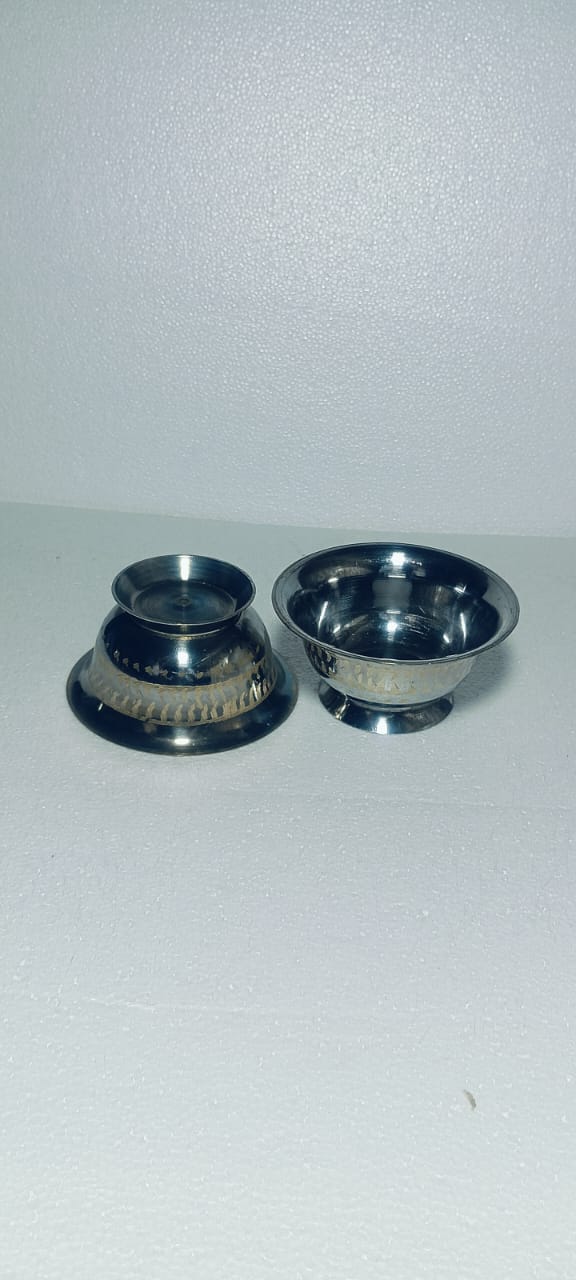
Fancy Silver Bowl
Original price was: ₹310.00.₹235.00Current price is: ₹235.00.
Material : Brass
Height : 6 cm
Top Diametre : 12 cm
Weight : 180 gm
Finishing : Silver
Description
About Fancy Silver Bowl:
The Elegant Union: Fancy‑Silver Bowls
Copper and silver are two metals that have fascinated humans for millennia: copper for its warm, reddish glow and heat conductivity; silver for its bright sheen and noble appearance. When these two metals come together in an object like a fancy‑silver bowl, the result is a piece that combines warmth, luxury, traditional craftsmanship, and versatility. In this article, we explore what fancy‑silver bowls are, their history and cultural relevance, their benefits and stylistic variations, how to choose one, care and maintenance, uses, potential drawbacks, and design inspiration.
What Is a Fancy‑Silver Bowl?
A fancy‑silver bowl refers to a bowl that features copper and silver in its construction or finish. There are different ways “fancy‑silver bowl” combinations can be realized:
- Copper body with silver lining or silver plating: The outer structure is copper, while the inside or parts are silver‑plated or have a silver layer.
- Silver body with copper accents: Less common, but possible— fancy silver bowl with copper handles, rim, or decorative bands.
- Mixed‑metal alloy or composite designs: Sections of copper and silver are joined, either via soldering or mechanical assembly.
- Electroplated or finished surfaces: The fancy silver bowl may be copper that has been partially silver‑plated, or silver polished and treated to mimic a silver sheen in parts.
The goal is usually both aesthetic (the contrast of warm copper and cool silver) and functional (silver is less reactive, more inert; copper adds visual warmth and often strength or structural interest).
Historical & Cultural Significance
Metals have long played ceremonial, domestic, and decorative roles across many cultures. Copper in India, Middle East, and traditional crafts is deeply rooted; silver as a precious metal carries prestige and is often used in ritual items, gifts, and decorative ware.
- In Indian households, copper utensils historically were prized for health and ritual, silver for its purity. A fancy silver bowl combining both could thus be used in formal ceremonies, religious functions, or as a symbol of status.
- In Islamic art and Persian metal‑craft, mixed metals were used to create contrast. Fancy Silver Bowls, trays, goblets with copper inlay over silver or vice versa are found in antique markets.
- In European decorative arts, silver‑plated copper wares (sometimes called “silvered copper”) were a way to get the appearance of silver at lower cost; often used for fancy silver bowls, tableware, decorative centerpieces.
Thus a fancy‑silver bowl can evoke both tradition (craftsmanship, heritage) and elegance (noble metal look), making it appealing for both utilitarian and decorative purposes.
Advantages of Fancy‑Silver Bowls
Why choose a fancy silver bowl that combines copper and silver? Here are some key benefits:
- Aesthetic Contrast & Visual Appeal
The warm reddish/orange tones of copper contrast beautifully with the bright, cool sheen of silver. This duality catches the eye, bringing depth to design, and can harmonize with various color‑schemes: warm interiors, neutral palettes, or eclectic décor. - Enhanced Durability
Silver (or silver plating) tends to resist tarnish and oxidation better than copper alone when properly maintained. If the inner surface (where food touches) is silver or silver‑plated, it is often more inert; copper outside gives strength and warmth. - Functional Safety
If used for food, the silver lining reduces the risk of copper reacting with acidic foods, which can lead to off‑flavors or health concerns. So combining silver inside and copper outside is a practical arrangement. - Legacy & Decorative Value
Such fancy silver bowls often become heirlooms: attractive enough to display, durable enough to use. The mixed‑metal craftsmanship is appreciated by collectors and decor lovers alike. - Versatility in Use
fancy‑silver bowls can be used for serving, display, religious rituals, gifting, or as decorative centerpieces. They suit both formal and informal settings.
Styles, Designs & Variations
Fancy‑silver bowls come in many shapes, sizes, and design styles. Some popular ones include:
- Hammered or Engraved Exterior Copper: Patterned copper outside, with a smooth silver interior or silver rim. The hammering adds texture and hides minor blemishes.
- Polished Silver Interior with Patinated Copper Exterior: Aged copper outside, bright silver inside—contrast of old & new.
- Mixed Metal Bands and Inlays: Fancy Silver Bowl with bands of silver or silver decorated motifs (floral, geometric) on copper body.
- Silver Plating Over Copper Body: Often used for full silver finish but with copper core—less expensive than pure silver.
- Traditional Ornamental Styles: Regions with metalworking heritage might have fancy silver bowls with filigree work, chased decoration, or inlay combining silver and copper.
- Modern Minimalist Designs: Clean lines, smooth finish, maybe a copper base with a silver collet or rim; simple shape to let metals speak for themselves.
- Sizes & Shapes: Small fancy silver bowls (for nuts, sweets), medium (fruit, salads), large centerpieces. Shapes: round, oval, shallow, deep; wide‐rimmed vs narrow opening.
Colour finishes may include polished, matte, lightly oxidized copper, high lustre silver, and sometimes protective coatings or lacquers.
How to Choose a Good Fancy‑Silver Bowl
If you plan to buy one, these factors will help you select a high‑quality piece at good value:
- Quality of Materials
- Is it pure copper or a copper alloy?
- Is silver plating real silver, sterling, or just “silver‑tone”? Thickness of silver plating matters—thin plating may wear through.
- If mixing metals, ensure joints are well formed and won’t loosen.
- Construction & Finish
- Check for smooth edges where silver meets copper.
- Look for consistent finish, minimal defects, even polished surfaces.
- In hand‑worked pieces, check evenness of hammering/engraving.
- Interior Surface & Food Safety
- If you will use it for food, the interior silver should be food‑safe and resistant to tarnish.
- No exposed copper inside if acid foods are involved.
- Prefer bowls with certified food‑grade silver‑plated surfaces or at least indications that the metals used are safe for contact.
- Size, Shape & Purpose
- For display vs serving. A shallow bowl may be more decorative; a deeper fancy silver bowl more functional.
- Size should match your table/dining room/home décor. A large bowl may be heavy when full.
- Craftsmanship & Origin
- Handcrafted artisan pieces often have more character and value.
- Bowls from regions with a history of metalwork may offer better design & durability.
- Finish Protection
- Some bowls come with lacquer or protective coating to slow oxidation. While this reduces maintenance, coatings can scratch or wear off.
- If uncoated, be prepared for regular cleaning & polishing.
- Price vs Value
- Pure silver or high‑grade silver plating on copper can cost more.
- Very cheap items may use low quality plating that wears off.
- Think long‑term: a well‑made bowl may cost more, but be more durable and more beautiful over time.
Uses & Styling Ideas
Copper‑silver bowls are versatile. Here are ways you can use them, and styling ideas:
- Serving Dish: Use for fruits, salads, sweets, dry snacks. With a silver interior, they are particularly suitable for items that might interact with copper.
- Display Piece: Empty or with decorative fillers (potpourri, dried flowers, decorative balls). Place on dining table, sideboard, mantel.
- Religious or Ritual Use: In many traditions, silver and fancy‑silver vessels are valued in rituals, offerings, ceremonies.
- Centerpiece: For weddings, events, festive tables—fill with flowers, floating candles, or seasonal items. The dual‑metal look works well with floral colours or ambient lighting.
- Gift: A well‑crafted fancy‑silver bowl can make a valuable gift for weddings, housewarmings, festivals.
Styling tips:
- Pair fancy silver bowl with matching metallic accents: candlesticks, trays, cutlery.
- Let the metals contrast with surroundings: against dark wood furniture, copper shines; silver reflects nearby colours beautifully.
- Lighting matters: soft warm lighting brings out copper tones; directional or spotlighting emphasizes silver shine.
- For coloured fruit or decor inside, choose items that contrast with the metallic tones for impact (e.g. red, green, yellow fruits look great in silver interior).
Care, Cleaning & Maintenance
To keep a fancy‑silver bowl looking its best, consistent care is needed. Below are guidelines:
- Cleaning After Use
- Wash with mild dish soap and warm water. Soft cloth or sponge.
- Avoid abrasive pads or harsh detergents that scratch surfaces or remove plating.
- Removing Tarnish and Oxidation
- For silver parts: use silver polish or homemade paste (baking soda with a little water, gentle rub).
- For copper parts: use natural cleaners such as lemon juice + salt, or vinegar + salt paste. Gently rub, then rinse thoroughly.
- After cleaning, dry completely to avoid water spots or moisture lodgment.
- Protecting the Finish
- If the fancy silver bowl has a lacquer or protective coating, treat gently; avoid harsh cleaning.
- Apply food‑safe mineral oil or wax to copper surfaces if desired to slow oxidation.
- Avoiding Harsh Conditions
- Do not use abrasive scrubbers on silver; do not expose to very acidic foods (if copper is exposed).
- Avoid dropping, bumping, or twisting metal parts to prevent dents or loosening.
- Storage
- Store in dry place. Humidity speeds tarnish.
- If stacking multiple fancy silver bowls, use cloth or soft padding between them to prevent scratches.
- Handling Plated Surfaces
- Silver plating can wear off over time; gentle use helps preserve it.
- Avoid letting wet fruit or acidic juiciness sit for long durations directly on silver‑plated surfaces; rinse and dry soon.
Potential Limitations & What to Watch Out For
While fancy‑silver bowls offer many advantages, there are some downsides or trade‑offs to be aware of:
- Cost: Higher quality materials and craftsmanship (especially real silver plating or sterling silver parts) cost more.
- Maintenance: Keeping both metals looking good means more care than simpler non‑metal bowls.
- Wear of Plating: Silver plating can thin or wear through over time, revealing copper underneath.
- Copper Reactivity: If copper is exposed inside, acidic foods can cause reactions. Even when silver‑lined, edges or seams might expose copper.
- Weight: Larger or thicker fancy silver bowls are heavier; handling requires care.
- Matching Decor: Mixed‑metal items may clash if rest of room’s metallic tones are mismatched.
Example Scenario: Using a Fancy‑Silver Bowl in an Elegant Dinner Setting
Imagine a dinner party with an elegant, slightly formal theme. On a polished wooden table sits a fancy‑silver bowl with a smooth copper exterior, chased silver‑plated rim, and high‑polished silver interior filled with a bright mix of citrus fruits: oranges, lemons, limes—all vibrant against silver lining. Soft candlelight reflects off the silver, casting warm glow through and around the fancy silver bowl; the copper exterior absorbs some light, giving richness. Paired with silver cutlery and warm cream or beige table linens, this mix creates a layered look of luxury tempered by warmth.
At dessert time, the same fancy silver bowl (cleaned and wiped) could hold small desserts or sweets, allowing the silver interior to frame the colours of food. Over time, slight patina on copper adds character without detracting.
Buying Guide: What to Prioritize
To summarize, when purchasing a fancy‑silver bowl, give thought to:
| Feature | What to Look For |
|---|---|
| Metal Quality | Real copper, real silver plating or sterling. Check specification. |
| Thickness & Durability | Thicker body resists warping or dents; good plating thickness. |
| Interior‑Exterior Interface | Smooth joins, food‑safe interior, sealed seams. |
| Finish | Polished or matte; protection vs natural patina; consistent texture. |
| Size & Shape | Fit for intended use (serving, display), manageable weight. |
| Craftsmanship | Artisan vs mass‑manufactured; evenness, symmetry, finish. |
| Maintenance Required | Coated or uncoated; willingness to polish; sensitivity to acid. |
| Cost & Value | Balance quality, appearance, longevity, and price. |
Conclusion
A fancy silver bowl is a striking piece that merges the warmth and heritage of copper with the brilliance and nobility of silver. Such fancy silver bowls serve both practical and decorative roles: from serving food safely to acting as centrepieces to bearing ritual significance. Their beauty lies in the contrast of metals, the craftsmanship, and the personal care taken to preserve them.
If you choose one with good materials (solid copper, quality silver plating or silver parts), clean and maintain it properly, and match it with your interior’s aesthetic, a fancy‑silver bowl can offer years of service and enjoyment. It’s more than just a container: it’s an expression of artistry, tradition, and refined taste.
Related products
-
- Sale!
- Brass Bowl
German silver Bowl Set
- Original price was: ₹1,750.00.₹1,600.00Current price is: ₹1,600.00.
- Add to cart
-
- Sale!
- Brass Bowl
Brass Mina Fruit Bowl
- Original price was: ₹290.00.₹210.00Current price is: ₹210.00.
- Add to cart
Reviews
There are no reviews yet.