
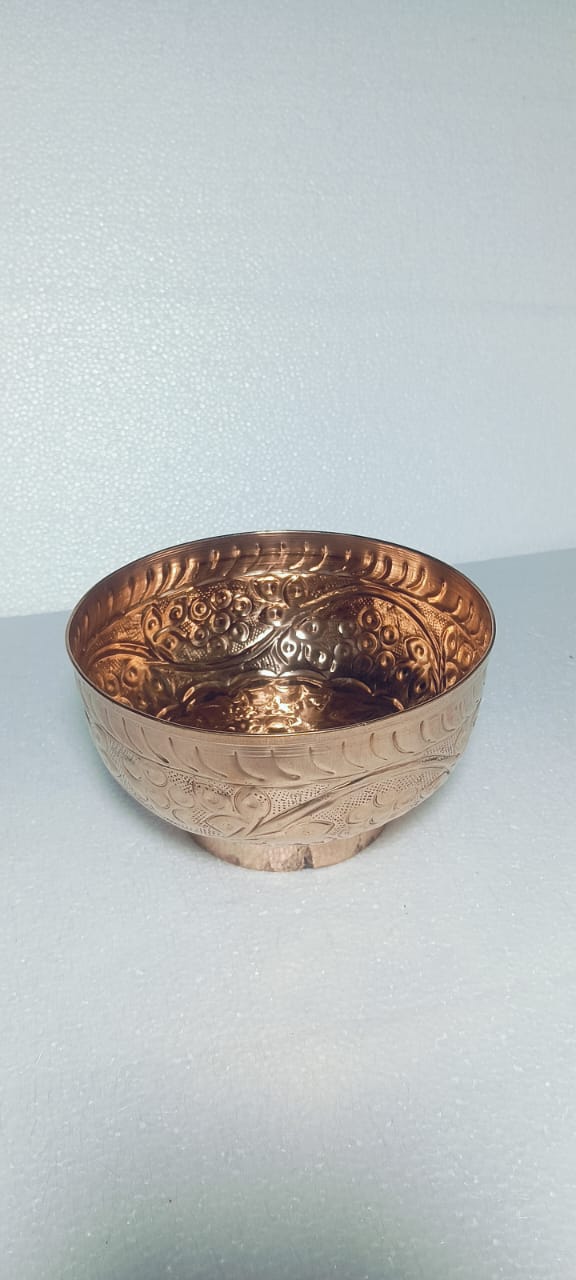
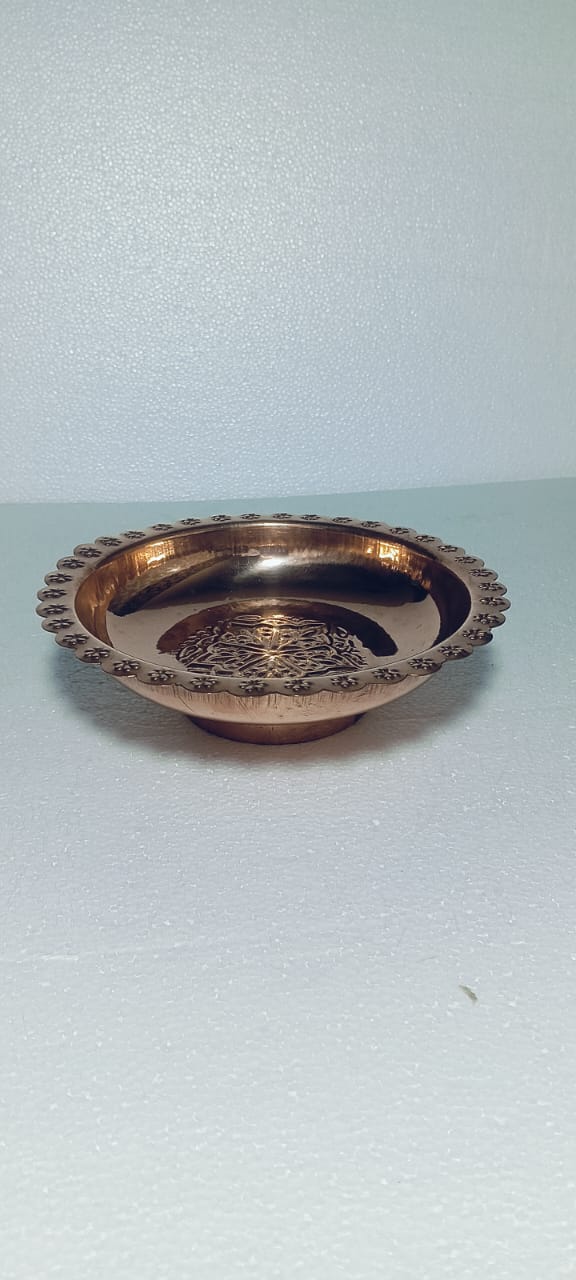
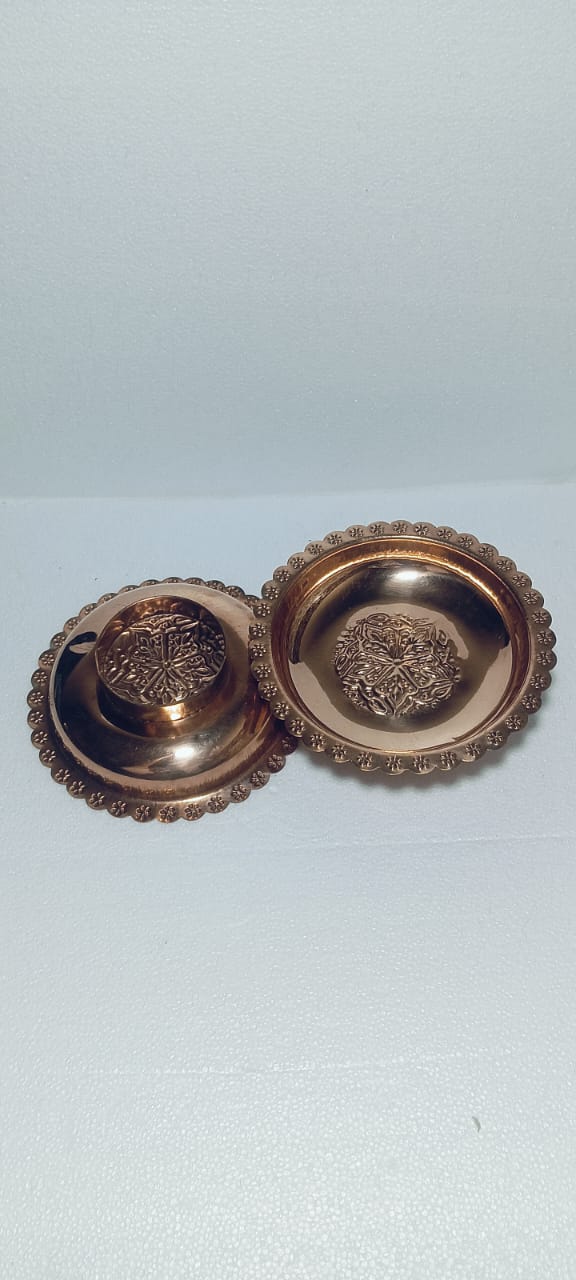
Copper Fruit Bowl
Original price was: ₹410.00.₹325.00Current price is: ₹325.00.
Material : Copper
Height : 5 cm
Top Diametre : 18 cm
Weight : 220 gm
Finishing : Polished
Description
About Copper Fruit Bowl:
The Beauty and Practicality of Copper Fruit Bowls
A copper fruit bowl is more than just a container for holding fruit—it is a piece of art, a nod to tradition, and a functional accent that brings warmth and elegance to any home. Whether you place it in your kitchen, dining room, or as a centrepiece in a living space, a well‑chosen copper fruit bowl can elevate your décor while serving everyday needs. In this article, we explore what makes copper fruit bowls special, their history, styles, benefits, care tips, and guidance for selecting the right one.
History and Cultural Significance
Copper has been used by human cultures for thousands of years, prized for its luster, malleability, and utility. In many parts of the world—South Asia, the Middle East, Europe, and Central Asia—copper items were common in households and artisan markets. Copper drinking vessels, cookware, decorative art, and serving bowls have long been part of domestic and ceremonial life.
Fruit bowls specifically also have a cultural role: offering fruit (fresh, dried, or ornamental) has been used in hospitality, rituals, festivals, and as a sign of abundance and welcome. When these bowls are made of copper, they carry an additional layer of aesthetic prestige. Hand‑hammered copper from Indian coppersmiths, ornate engravings in Middle Eastern metalwork, or simple polished copper bowls in a modern home—these all reflect how cultures derive beauty and meaning from copper craftsmanship.
Why Choose a Copper Fruit Bowl? Benefits & Advantages
Copper fruit bowls are popular for many reasons. Below are key advantages:
- Aesthetic Appeal
The warm, reddish‑gold glow of copper makes it an attractive material. Polished copper bowls catch the light, attract attention, and add a rich, organic look in contrast with ceramic, glass, or plastic. - Versatility in Design
Copper fruit bowls come in many styles: hammered, smooth, hand‑engraved, patinated (aged look), mixed with other materials (wood, brass, metal inlays). They suit rustic, traditional, vintage, or even modern decorative schemes. - Durability
Copper is a durable metal. A well‑made bowl will resist dents and last many years if treated properly. Hand‑hammered copper bowls are often thicker and more resilient. - Natural Health & Traditional Beliefs
In various traditional systems, using copper in everyday life (for serving or drinking) is thought to have antimicrobial properties and promote well‑being. Even though science demands careful evaluation, many users believe that copper gives a subtle benefit when used with non‑acidic, clean fruit or water. - Heat Regulation
Though a fruit bowl isn’t used for cooking, copper’s thermal properties can help manage condensation or moisture: copper doesn’t trap moisture like some plastics, which helps keep fresh fruit from spoiling too fast. - Aesthetic as Centrepiece
A copper bowl offers more than storage—it becomes a focal point. When filled with colorful fruits (apples, oranges, bananas, grapes), the contrast is vibrant; even empty, its shape and finish add character.
Styles & Variations
Here are common styles and features you might find in copper fruit bowls:
- Hammered Copper Bowls: The bowl is shaped and hammered by artisans, giving a textured surface. This hides minor scratches and adds character.
- Polished / Mirror Finish Bowls: Smooth copper surfaces polished to shine—more formal, elegant.
- Engraved or Embossed Designs: Motifs like foliage, geometric patterns, traditional designs etched or embossed onto the outer surface.
- Mixed‑Material Bowls: Copper combined with wood (for the base or edge), or copper lined with another metal, or copper with brass, bronze accents.
- Patina or Antique Finish: Some bowls are treated (or naturally age) to have a darker or aged copper appearance. This gives a vintage look.
- Colour Accents: Some bowls are copper on the inside, painted or treated with patina, or have inside linings of another metal to avoid direct contact with acidic fruit juices.
Sizes also vary—small bowls for handfuls of fruit, medium for table centrepieces, large for buffet settings.
Things to Know Before You Buy: What to Look For
When selecting a copper fruit bowl, think about these aspects:
- Material Quality
- Is it pure copper or an alloy?
- Is the copper thick or thin? Thicker copper holds shape better and is more durable.
- Is there any lining inside (if you worry about oxidation or reaction with acids)?
- Finish and Craftsmanship
- How smooth is the finish? Are there sharp edges?
- Is the hammering or texture consistent?
- If engraved, how precise is the engraving?
- Size & Shape
- Diameter, depth: deep bowls hold more fruit but may hide fruit inside; shallow, wide bowls show fruit better.
- Shape should suit your table/dining area.
- Weight & Portability
- Heavy copper bowls look solid but can be hard to move when full.
- Lightweight ones are more manageable, but may be less durable.
- Functionality vs Decoration
- If you want to use it often for fruit storage, choose something easy to clean, with practical shape.
- If it’s more decorative, you might prefer ornate styles that are less “user‑friendly” but more visually striking.
- Safety & Food Contact
- Ensure the copper bowl is food‑safe if you are placing fruit directly (especially juicy fruits) inside.
- Avoid bowls that are uncoated and used for acidic fruit for long periods—copper can react.
- Maintenance Required
- Polished copper requires regular cleaning to keep shine.
- Patina or antique style may hide tarnish but still need occasional care.
- Waterproof or lacquer coatings may protect the copper but may also need reapplication or careful handling.
Care, Cleaning & Maintenance
To keep a copper fruit bowl looking its best and ensure it lasts long, here are care tips:
- Regular Cleaning
- After each use, rinse and wash with mild soap, warm water. Use a soft cloth or non‑abrasive sponge.
- Don’t use harsh or abrasive cleaners or steel wool that can scratch copper.
- Removing Tarnish & Restoring Shine
- Natural methods like lemon (or lime) juice + salt, or vinegar + salt paste are effective. Apply gently, rinse well, dry completely. (Crivva)
- Commercial copper cleaners and polishes can also be used, following instructions.
- Drying Properly
- After cleaning, dry immediately with soft cloth to prevent water spots or oxidation (tarnishing).
- Avoid leaving moisture or water droplets, especially in joint or edge areas.
- Avoid Contact with Acidic Foods for Long Periods
- Citrus fruits, tomatoes, fruit juices can be acidic. While brief contact is okay, leaving such fruit in copper for hours may lead to reaction, discoloration, or metallic taste.
- Avoiding Damage by Heat or Sunlight
- Though copper tolerates many conditions, prolonged exposure to direct sunlight or extreme temperature changes can cause the finish to fade or warp.
- Do not place copper bowls on open flame or very hot surfaces (they are for serving, not cooking).
- Storage
- Keep in a cool, dry place. Avoid humid environments.
- If stacking multiple bowls, use soft cloth or padding between them to prevent scratches.
- Occasional Polishing & Protective Coatings
- If you like the shiny look, polish periodically to restore shine.
- Some copper bowls are lacquered or coated—these may require different care (avoid abrasive cleaning; recoat if coating wears off).
Possible Downsides & Limitations
While copper fruit bowls have many advantages, there are some considerations:
- Maintenance Effort: Copper requires more care than plastics or some ceramics—ongoing cleaning, polishing, and care to prevent tarnish.
- Reaction with Acids: As mentioned, acidic fruit or juices can react with copper, causing taste changes or discoloration.
- Cost: Quality copper bowls (hand hammered, thick copper, artisan work) tend to be more expensive.
- Weight: Larger copper bowls can be heavy, especially when filled with fruit.
- Patina vs. Shine: Some people prefer a shiny new copper look; others like the aged or patinated copper. Over time, copper naturally develops color changes.
Styling & Ideas: How to Use Copper Fruit Bowls in Your Home
Here are ways to integrate a copper fruit bowl tastefully:
- As Centrepiece: Place in the centre of your dining table with a mixture of fruits. Vibrant colours (oranges, yellows, reds) look especially nice against copper’s warm tones.
- Kitchen Countertop Display: Keep fruit in a copper bowl on the kitchen island or counter. It encourages eating fruit and adds colour.
- With Floral or Decorative Accents: Sometimes leave it empty or fill with decorative items—pine cones, dried flowers, or potpourri—to make a decor item.
- Groupings: If you have copper‑ware collection, pair the fruit bowl with copper candle holders, trays, or serving bowls to create harmony.
- Seasonal Themes: In festive seasons, fill with seasonal fruits, or use coloured fruits to match festival palette.
- Gift Item: A beautifully crafted copper fruit bowl makes a thoughtful housewarming or wedding gift, especially when handcrafted or locally made.
Examples & Real‑World Use
To illustrate, here are a few real‑world examples and what makes them special:
- A hand‑hammered wide copper fruit bowl from Pune, India with lacquer coating to slow oxidation. Its texture and sheen give it rustic elegance. (Artisan Variety)
- A wood‑and‑copper bowl, combining mango wood and copper lining. The contrast of warm wood tones and copper metal adds organic charm. (RustikCraft)
- Decoratively engraved bowls used for dry fruits during festivals, doubling as decor pieces and functional serveware. Such bowls often have detailed embossed work, especially from regions like Kashmir. (Treasures of Kashmir)
Buying Guide & What to Prioritize
When you’re ready to buy a copper fruit bowl, here are check‑points:
| Feature | Why It Matters |
|---|---|
| Purity / Quality of Copper | Better durability, more pleasing color and luster, less prone to corrosion. |
| Thickness / Crafting Method | Hand‑hammered craftsmanship often involves thicker metal and sturdier build. |
| Finish (polished, lacquered, patinated) | Determines look & maintenance required. |
| Size, Depth, Shape | Matches how much fruit you wish to store, and how visible/displayed it will be. |
| Food Safety / Lining (if needed) | To avoid metal reaction, especially when fruit juices or moist foods sit in the bowl. |
| Artisan vs Mass‑produced | Handcrafted items often have unique character; mass‑produced may cost less but may lack detail. |
| Origin & Tradition | Bowls from regions with copper‑craft heritage may carry value in craftsmanship. |
Conclusion
A copper fruit bowl offers more than mere utility—it weaves together tradition, artistry, and everyday beauty. Its glow, texture, and form make it an elegant addition to any home. While it does require care, the rewards are lasting: a stunning decorative piece, a functional bowl for your produce, and a touch of heritage in your daily life.
If you take care to select high quality material and finish, clean it properly, avoid letting acidic juices sit, and preserve its shine, a copper fruit bowl can serve you beautifully for years—becoming not just a household object, but a cherished.
Related products
-
- Sale!
- Copper Bowl
Copper Bowl
- Original price was: ₹450.00.₹385.00Current price is: ₹385.00.
- Add to cart
Reviews
There are no reviews yet.