
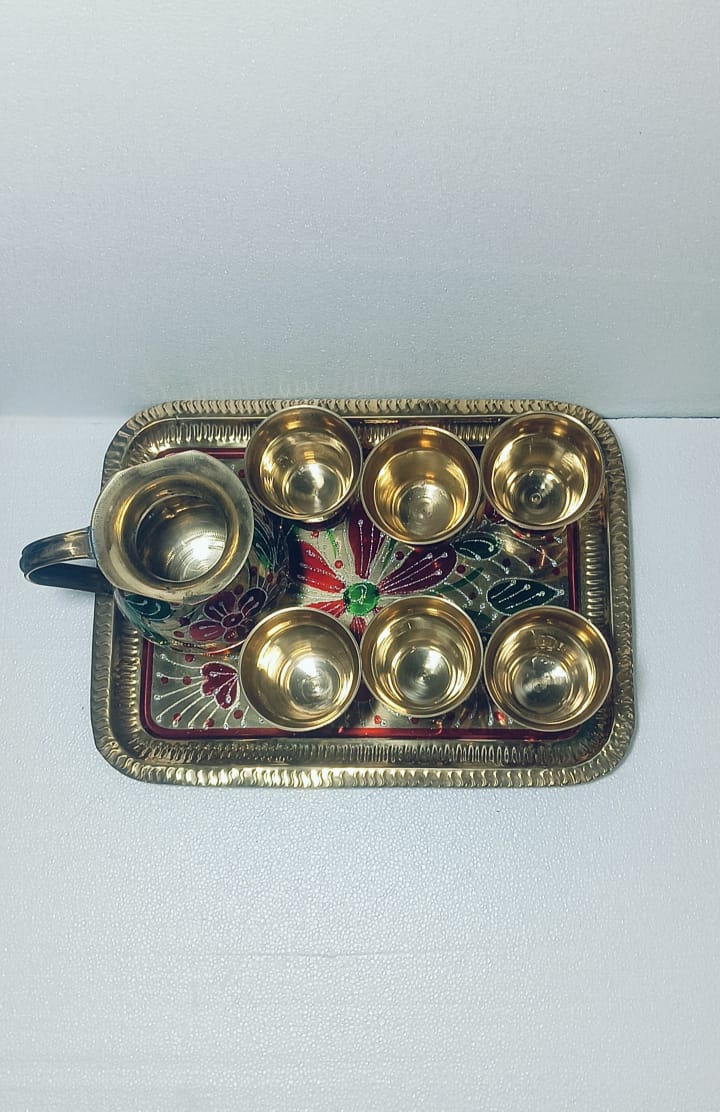
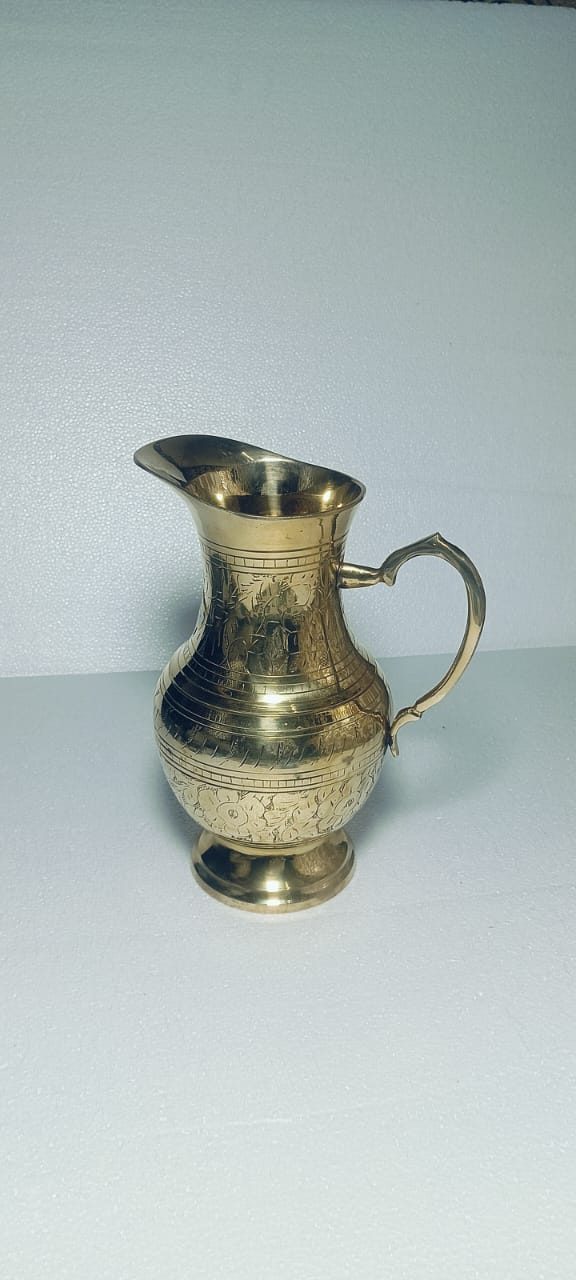
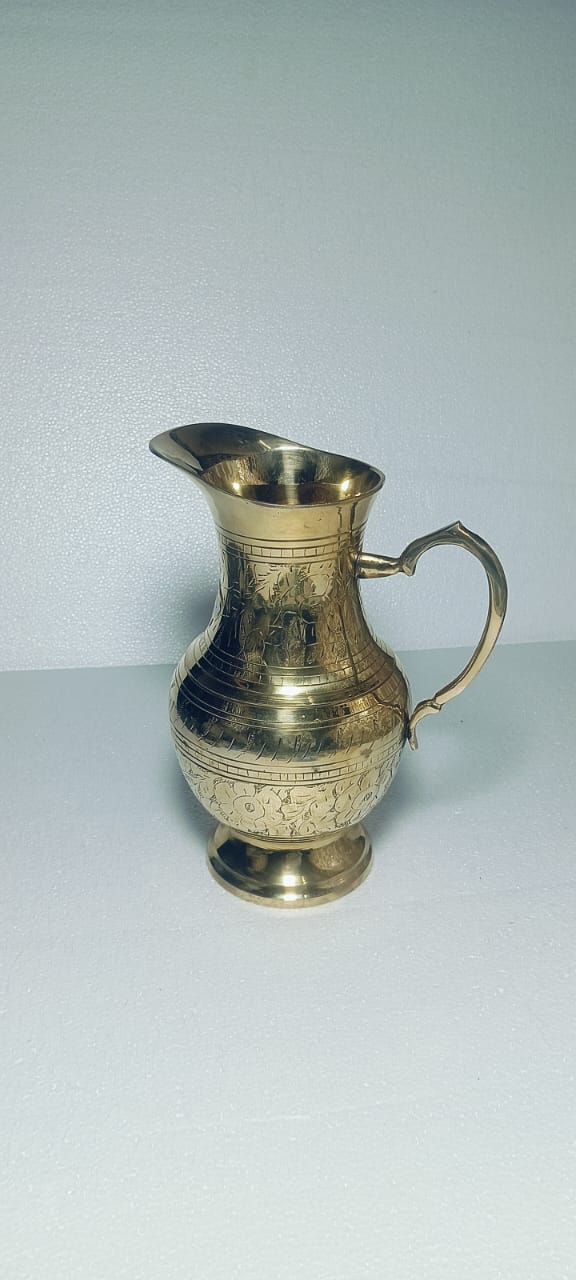
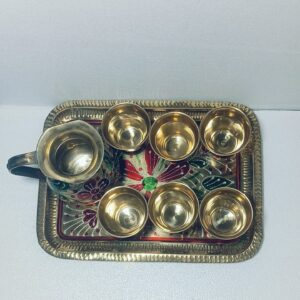
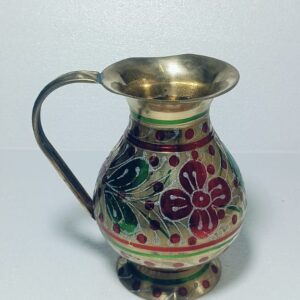
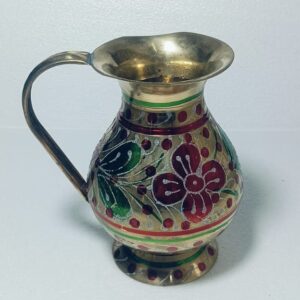
Brass Jug
Original price was: ₹1,250.00.₹1,100.00Current price is: ₹1,100.00.
Material : Brass
Height : 9 inch
Weight : 870 gm
Capacity : 1 l
Finishing : Polished
Description
About Brass Jug:
Brass Jugs: Tradition, Design, Use & Care
A brass jug is a vessel crafted from brass (an alloy of copper and zinc), used for storing, pouring, or serving water, beverages, or other liquids. Beyond mere utility, brass jugs carry cultural values, aesthetic appeal, and sometimes health-related beliefs. In this article, we explore what makes a good brass jug, its history and significance, benefits and drawbacks, how to choose one, how to use and maintain it, safety considerations, styling ideas, and sample content you might use on a website.
What Is a Brass Jug?
A brass jug is a container with a neck or spout (or both), sometimes with a lid or handle, made largely of brass. It may be simple and utilitarian, or elaborately decorated. Sizes vary from small tabletop pitchers (500‑1000 ml) to large jugs for ceremonial or display use. Finishes might be polished to shine, hammered for texture, embossed or engraved for ornamentation, or left with an antique look.
History & Cultural Significance
- Brass has been used for centuries in many parts of the world, especially in South Asia, the Middle East, and parts of Europe, for household vessels and ritual items. The material was favored because it was relatively durable, workable, and had a warm golden appearance.
- In India, brassware traditions such as Rewari metal work are known for producing brass utensils, including jugs, with traditional methods. (Wikipedia)
- Brass jugs are often associated with rituals and traditions: serving water or sacred liquids during religious ceremonies, puja, welcoming guests, or storing water overnight because of traditional beliefs about water purity. Many families view brass jugs as heirlooms. Products like “Brass Jug Mughal Design for Water Storing and Drinking Purpose” show how a jug is still used daily and also as décor. (SHIV SHAKTI ARTS)
- In Ayurvedic tradition, using brass (and related metals) in vessels is believed to have health benefits: antimicrobial properties, potential for balancing bodily elements (doshas), improving digestion, etc. These beliefs persist in modern marketing of brass jugs, for example the “Pure Brass 1200 ML Jug with Etching Design” by Copper‑Master, which claims such benefits. (Copper Master)
Advantages & Potential Benefits of Brass Jugs
- Aesthetic and Decorative Value
The golden sheen of brass, especially when polished, is striking. Hammered finishes or embossed designs (like Mughal motifs) add elegance and heritage appeal. Brass jugs often serve both form and function: useful serving vessels and décor pieces. Products like the “Brass Jug with 2 Brass Glasses Mughal Design” show this dual role. (SHIV SHAKTI ARTS) - Durability
Brass is more durable than many metals in daily use. It resists some wear and tear, can be crafted into hard solid forms, and if handled properly, lasts for many years or even generations. - Traditional Health Beliefs
As mentioned earlier, storing water in brass is considered to have health benefits in certain traditional systems. Brass is believed to have mild antibacterial or antiseptic properties. Some contemporary brass jugs are marketed emphasizing these qualities. For instance, a 1.2‑L pure brass jug with etching design is described as promoting immunity, etc. (Amazon इंडिया) - Versatility
A brass jug can serve many roles: serving water, cold drinks, juices; pouring during meals; offering water or other liquids during rituals; sometimes even as decorative showpieces when not used. Because of their decorative potential, brass jugs often enhance the ambience of dining settings or traditional interiors. - Eco‑friendly Aspects
Compared to plastic or single‑use containers, a well‑made brass jug is reusable, recyclable, and long‑lasting. Also, in many traditional households, brass vessels are repaired, polished, rather than thrown away.
Limitations & Drawbacks
- Reactivity & Taste
Brass may react with acidic liquids (such as citrus juice, vinegar) causing a metallic taste or causing leaching of copper/zinc ions. Unlined brass jugs are more prone to this. So serving acidic drinks in them for long may not be ideal. - Tarnishing / Oxidation
Over time, exposure to air, moisture or humidity causes brass to tarnish—forming darker patinas or spots. To many, this is acceptable or even desirable for rustic/antique look, but to others, keeping shine needs regular maintenance. - Weight and Heat Transfer
Many brass jugs are somewhat heavy, especially larger sizes. Also, metal transfers heat, so handling hot liquids or hot beverages may make the jug’s body or handle hot, unless designed with insulation or thoughtful handle design. - Maintenance Required
To keep a brass jug looking good and safe, frequent cleaning, polishing, proper drying, avoiding harsh quotients (like strong acid cleaners or scrubbing pads) is necessary. That adds to effort. - Cost
Hand‑crafted, solid brass with intricate decorative work (embossed, engraved, etc.) tends to cost more. Cheaper brass may have thinner walls, poorer finishing, or less durability. - Potential Safety Concerns
If brass contains impurities or lead, or if cheap brass is used, there might be safety risks. Also, storing food or drink with certain chemical content (strong acid) in unlined brass for prolonged periods might not be advisable.
How to Choose a Good Brass Jug
When selecting a brass jug (for yourself, for selling, or for content descriptions), look for these qualities:
- Material Quality & Purity
A jug made with good alloy (proper brass), sufficient thickness, minimal impurities. Knowing brand reputation helps. Some items are labeled “pure brass” or “solid brass” (though these labels need scrutiny). Example: the Copper‑Master jug 99.9% pure brass. (Copper Master) - Capacity & Size
Choose based on intended use: storing water, serving at table, decorative display. A jug of 1–1.5 liters is common for serving; larger for more people or for storing water. Size should suit kitchen/dining space. - Design & Finish
Polished vs antique vs hammered vs smooth. Embossed or engraved detailing adds aesthetic value. Also consider the spout shape (for pouring without drip), the handle design (comfortable, safe), lid (if needed) to protect contents. Many brass jugs have decorative Mughal style designs. (SHIV SHAKTI ARTS) - Lining & Inner Finish
If the jug’s interior is smooth or lined, that helps in cleaning and reduces metal taste / reactivity. If unlined, ensure you’re using it for water or non‑acidic liquids, and cleaning often. - Stability & Balance
Wide enough base so that the jug doesn’t tip over; handle strong enough that pouring full jug does not strain the handle. - Safety & Certification
Particularly with items for drinking water or food service, looking for brands which ensure food‑safe finishing, no harmful coatings, minimal lead or toxic content is important. - Aesthetic Fit
Match with your home décor—rustic, traditional, vintage, minimalist. Finish color (bright brass, antique gold, muted brass) should harmonize with your surroundings.
How to Use Brass Jugs in Everyday Life
Here are practical ways to use a brass jug:
- Serving water or cold drinks at meals. A brass jug on the dining table adds a traditional, elegant touch.
- Storing water overnight: some people store drinking water in brass jugs overnight, especially in cultures that believe in health benefits from “tamar/jal” or similar.
- Ceremonial / Ritual Uses: Using during puja, rituals, festivals to hold sacred water, or serve guests.
- Hospitality / Gift Uses: Gifting a decorative brass jug is quite popular during weddings, housewarming, religious festivals (like Diwali, Eid etc.). It is both useful and symbolic.
- Decorative Piece: When not in use, a brass jug can stand as a decorative piece in shelves, console tables, traditional display units, or used with flowers as a vase (with an inner liner if needed).
- Restaurant / Event Use: In traditional or ethnic restaurants, brass jugs lend authenticity to setting; used for table service in events themed with heritage décor.
Care & Maintenance
To keep a brass jug looking good and safe for use, proper care is essential. Here are guidelines.
Cleaning & Polishing
- Hand wash with warm water and mild dish soap. Avoid dishwashers (metal‑metal contact, strong detergents and high heat may damage the finish).
- Use a soft cloth or sponge; avoid abrasive scrubbers or steel wool that scratches brass surface.
- For removing tarnish, natural methods work well: mixtures of lemon juice + salt, vinegar + baking soda; gently rub tarnished spots, then rinse and dry. Some commercial brass polishes are also available.
- After cleaning, polish with soft, dry cloth to bring back shine.
Drying & Storage
- Dry thoroughly after each use, both inside and outside. Moisture trapped inside jug can lead to oxidation.
- Store in a dry area; avoid humid conditions. If jug has a lid, allow lid to be slightly ajar to avoid moisture buildup if it is used after long storage.
- If stacking or storing multiple brass items, wrap or pad between them to prevent scratches.
Usage Practices
- Avoid leaving acidic drinks (citrus, vinegar, etc.) inside for long in unlined brass.
- Don’t pour boiling liquids unless you’re sure the jug is designed for heat.
- Use filtered or clean water, so minerals and chlorines don’t accelerate corrosion.
- Periodically inspect for discoloration, dents, loose handle, or cracks.
Safety Considerations
- Ensure the brass jug is food‑safe. Sometimes brass items are treated/coated; ensure that coatings are non‑toxic.
- Be cautious about leaching if using for acidic liquids. If you notice off taste, discoloration, or green discoloration inside, cease use for drinking until cleaned or replaced.
- For children or sensitive persons, ensure jug is always clean; avoid using old or heavily tarnished brass for serving water.
- Avoid using harsh chemical cleaning agents that may leave residues; rinse thoroughly after any cleaning.
Styling & Presentation Ideas
If you are creating content or styling your home / product listings, here are ways to describe or present brass jugs to appeal to audience:
- Heritage‑Inspired Look: Emphasize handcrafted features—hammered texture, Mughal or floral motifs, antique finishes, traditional embossing.
- Wellness Angle: Mention benefits of storing water in brass, traditional beliefs, optionally Ayurvedic angle (with clear disclaimers). For example, brass jugs are marketed for helping digestion, boosting immunity, or balancing body’s pH. (Copper Master)
- Gift‑worthy Packaging: Show them packed nicely; note set items (jug + glasses), use in festivals or house‑warmings.
- Decor & Lifestyle Shots: Show in use on a wooden dining table, with water poured into a glass, near green plants or in a rustic/ethnic decor setting to highlight warm tones of brass.
- Contrast & Texture: Use surrounding light to highlight shine and embossing; include close‑ups of design, handle, spout.
- Modern & Traditional Fusion: Show how a brass jug can work in modern kitchens when paired with contemporary tableware; or how it complements ethnic decor.
Sample Product Description Paragraph
Here is a sample paragraph you could use or adapt for your website’s product listing:
“Introducing our exquisite Handcrafted Brass Jug – made from premium solid brass with a warm golden finish and intricate Mughal‑style embossing that captures traditional artistry. With a generous 1.2‑litre capacity, an ergonomic handle for comfortable pouring, and a drip‑free spout, this jug is as functional as it is beautiful. Whether you use it to serve water at your dining table, display it as a heritage décor accent, or gift it for weddings or housewarmings, it brings elegance and tradition into everyday living. Use cold or room‑temperature liquids; clean gently with mild soap; avoid abrasive cleaners to preserve the shine. A timeless piece that combines health‑conscious utility and craftsmanship.”
Summary & Key Takeaways
- Brass jugs are not just useful—they are cultural artifacts, decorative items, and often carry traditional health beliefs.
- Quality is important: good alloy, design, finish, safety.
- They offer beauty and durability, but require care—cleaning, drying, avoiding harsh substances, and safe use.
- They work well both in daily utility (serving/beverage storage) and as gift/decorative items.
- Including care instructions and safety information helps maintain trust when featuring them on websites.
Related products
-
- Sale!
- Brass Jug
Brass Mina Jug And Glass Set With Tray
- Original price was: ₹2,400.00.₹2,300.00Current price is: ₹2,300.00.
- Add to cart
-
- Sale!
- Brass Jug
Brass Mina Jug
- Original price was: ₹650.00.₹450.00Current price is: ₹450.00.
- Add to cart
Reviews
There are no reviews yet.