
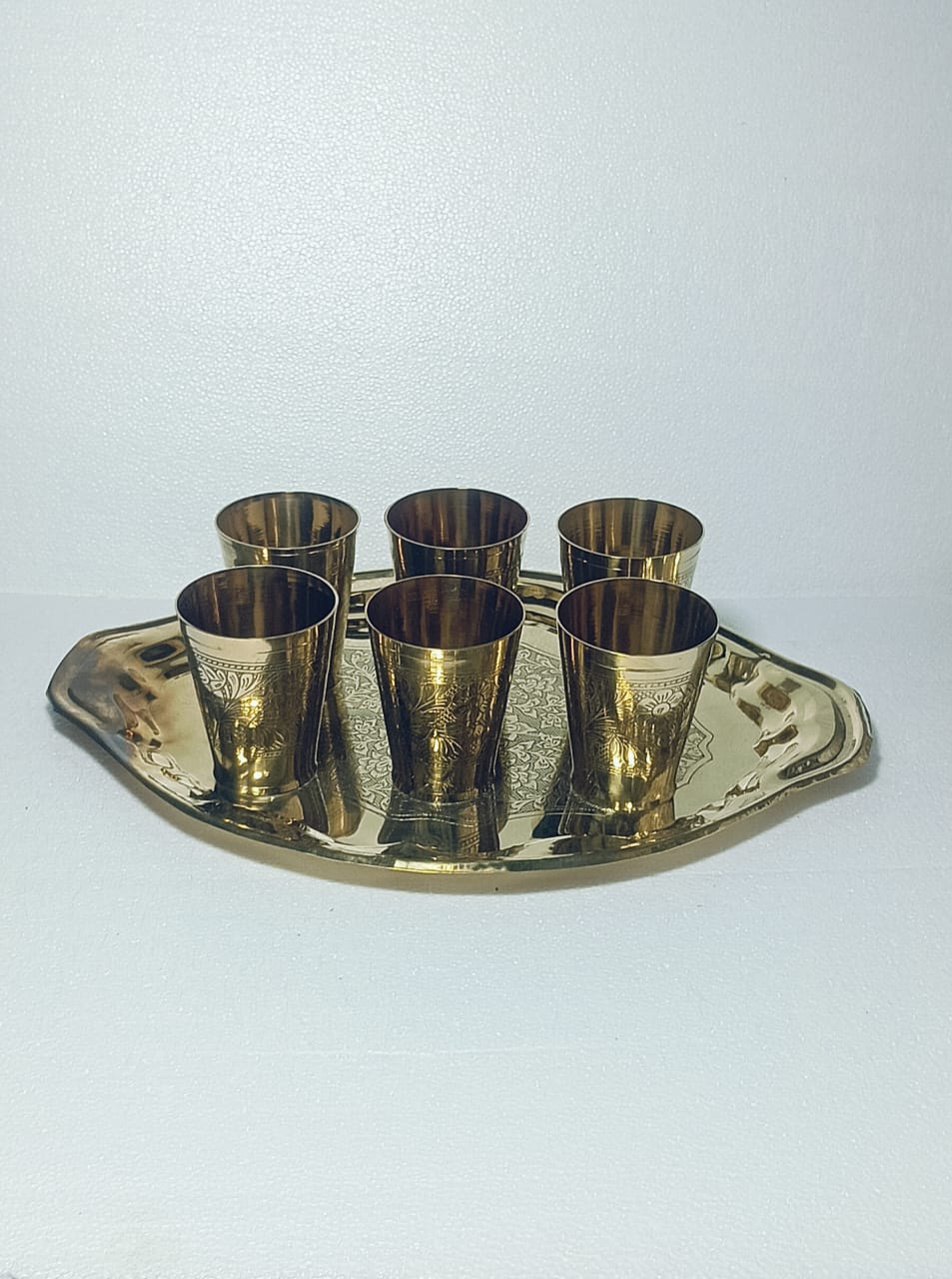
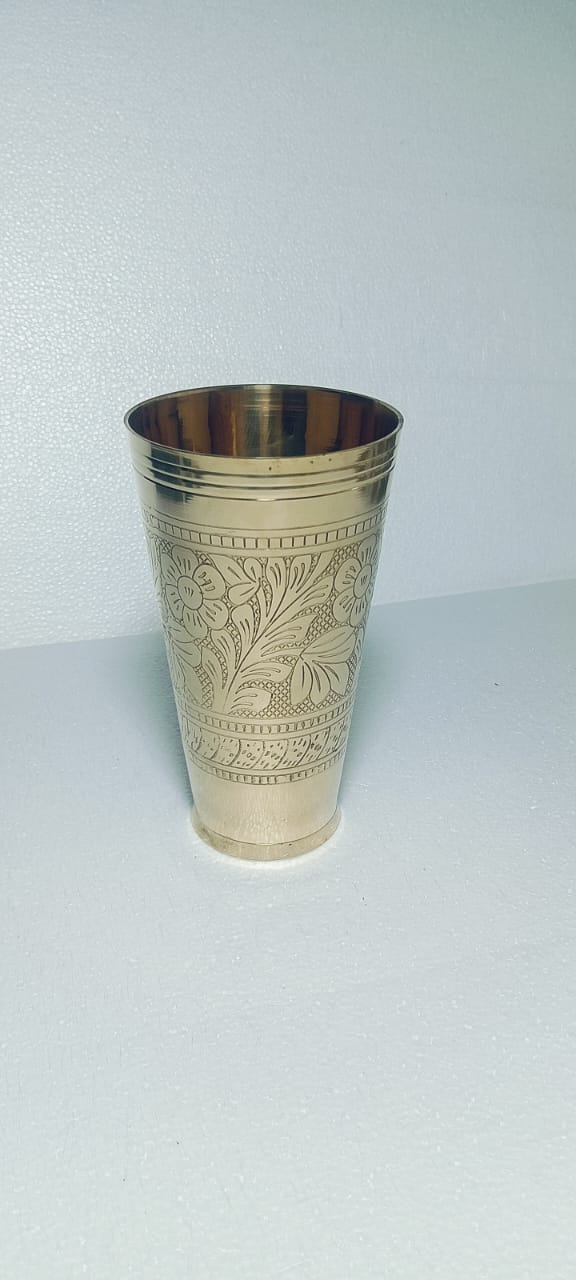
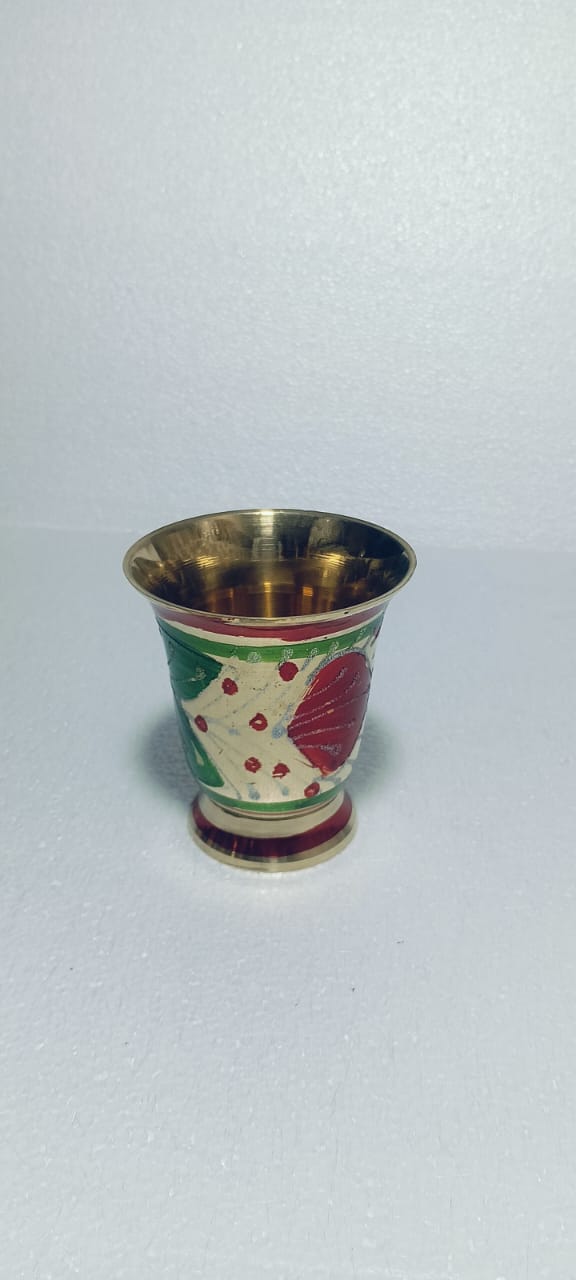
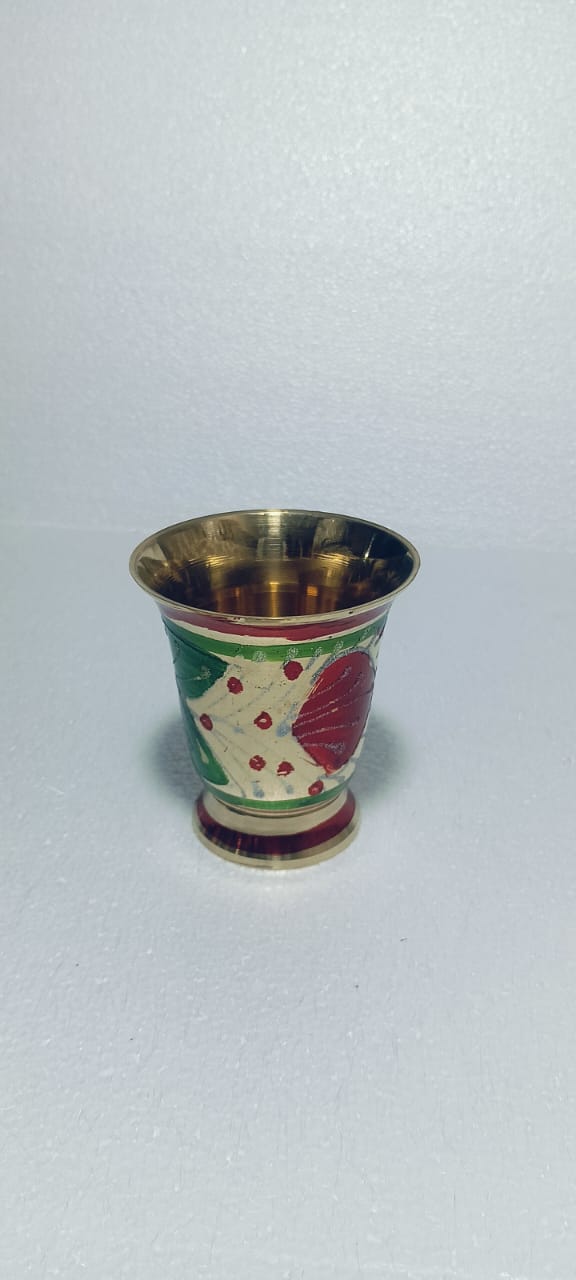
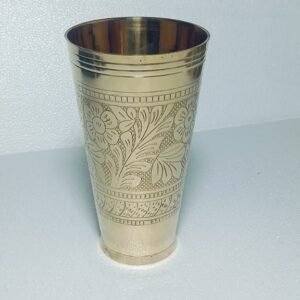
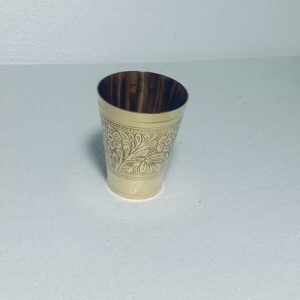
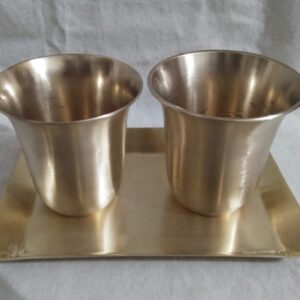
Brass Mina Glass
Original price was: ₹300.00.₹210.00Current price is: ₹210.00.
Material : Brass
Height : 9.5 cm
Top Diametre : 8.5 cm
Weight : 150 gm
Capacity : 250 ml
Colour : Golden, Mina
Description
About Brass Mina Glass:
Brass Mina Glass: Where Metal & Glass Merge in Beauty
Introduction
In the realm of decorative glassware, Brass Mina Glass is a fascinating fusion — combining gleaming metalwork in brass with the elegance, transparency, and color‑rich qualities of glass. This marriage of materials yields pieces that are not only functional (drinkware, decorative vessels, lamps, etc.) but also artistic, capable of becoming focal points in home décor. Whether used as a drinking glass with brass mina overlay, a lamp shade, a decorative lantern, or an ornament, Brass Mina Glass stands out for its craftsmanship, visual contrast, and cultural echoes of enamel, filigree, and metal embellishment.
This article explores what Brass Mina Glass is, how it’s made, its typical uses, aesthetic appeal, maintenance, and styling inspiration. Use this for product pages, blogs, or catalog entries to help readers understand and value these distinctive items.
What Is “Mina” and How Does It Relate to Brass + Glass
- “Mina” / “Meenakari”
The term “mina” (also often spelled meenakari) refers to traditional techniques of enameling — applying colored, often vitreous, enamel to metal surfaces, then firing them so that the enamel fuses and becomes durable. Meenakari art is historically rich in Indian, Persian, Central Asian decorative traditions. While sometimes mina means colored enameling, in many decorative forms “mina work” also comes to mean ornamental surface work: metal inlays, filigree, cut-out brass plate overlays, and sometimes layering that frames glass. - Brass Mina Glass refers to glass items (glasses, goblets, tumblers, decorative vessels, candle holders, lamps, lanterns, or even mirror frames) that are combined with brass mina or brass overlay/decorative work. This can involve brass sleeves, overlays, filigree cages, decorative brass bands, or brass rims with mina/enamel detailing.
- Why the Combination Works
Glass brings clarity, transparency, color, the ability to hold light (literal or via contents), while brass brings warmth, lustre, metallic strength, and decorative potential. When brass mina or overlay frames or embellishes glass, the contrast is striking: smooth transparent or colored glass set off against warm, solid, often decorative metal. The combination feels both ornate/traditional and also elegant for modern interiors, depending on style.
Craftsmanship & Construction Details
Understanding how Brass Mina Glass items are made helps appreciate their value and explain them well to customers.
- Base Glass Component
- The glass could be blown, molded, pressed, or machine‑made. It might be clear, colored, tinted, patterned, or textured (ribbed, fluted, rippled, etc.).
- Thickness and durability vary: thicker glass is more robust; thinner glass gives finesse but demands careful handling.
- Brass Elements
- Overlay / Sleeve / Cage: Brass may be shaped into a decorative cage that surrounds all or part of the glass, cut with patterns (filigree, geometric cut-outs, floral motifs).
- Rims & Bands: Brass rims (around the top) or bands (midway or base) may be added for decoration, reinforcement, or to add footings.
- Handles or Feet: Some items have brass handles, stems, or feet, especially if the glass piece is a goblet or decorative lamp.
- Mina / Enamel Work
- On brass surfaces, enamel coloring may be applied. This can include small inset colored motifs, painted patterns, or full enamel inlays. Enameling adds color, contrast, and traditional appeal.
- Enameling must be fired (heated) to fuse the enamel to the metal. Proper technique is needed so that the enamel adheres well without cracking or flaking.
- Assembly & Finishing
- The brass components may be soldered or mechanically affixed to the glass (often using adhesive suited for metal‑glass junctions), or simply designed to slide or rest around the glass.
- Finishes: brass might be polished bright, antiqued/patinated for a vintage look, or lacquered to slow tarnishing. Enamel surfaces would be glazed.
- Surface texture: embossing, engraving, punched patterns, or filigree work in brass add depth. The edges must be smoothed to avoid sharp parts, especially where metal meets glass.
Typical Styles & Design Variations
Brass Mina Glass items span a broad range of styles, each appealing to different aesthetic preferences and uses. Some variations include:
- Traditional / Ornate
Rich enamel coloring on brass filigree, floral or paisley motifs, deep tones like reds, greens, blues, sometimes gold accents. Heavily decorative, often inspired by Persian, Mughal, or Rajasthani design traditions. - Minimal / Contemporary
Simple clean glass forms (e.g. tumblers, jars), with minimal brass accents: thin brass rims, plain bands, or subtle overlays. Maybe no enameling, just polished brass for modern elegance. - Mixed Textures & Materials
Combinations with wood, mirror, colored glass, or stone insets. For example, a lantern with colored glass panels framed in brass with mina work; candle holders with brass overlay and etched or frosted glass. - Functional Drinkware vs. Decorative Use
Some Brass Mina Glass pieces are purely decorative (vases, lanterns), whereas others are functional: tumblers, goblets, tea/coffee glasses. For the latter, safety and food‑grade materials matter (non‑toxic brass parts, smooth glass edges, enamel that is safe/doesn’t leach). - Lighting & Ambient Pieces
Lanterns, lamp shades, candle holders: the glass allows light through; brass mina work may cast decorative shadows; colored enamel can tint lighting and mood. These are often dramatic pieces.
Uses & Applications
Here are many ways people use Brass Mina Glass, both practical and decorative:
- Drinkware & Tableware
Tumblers, goblets, tea/glass cups with brass glass sleeves — used for special occasions, festive dining, or decorative display. - Vases & Flower Holders
Glass vessels encased in brass mina decorations hold fresh flowers. The transparency of glass shows water; the brass adds ornamentation. - Lanterns & Candle Holders
The combination of glass and brass mina caging filters light and creates ambience — perfect indoors or outdoors (in sheltered settings). - Decorative Accent Pieces
Stand‑alone votives, jars, or ornamental pieces on shelves, side tables, mantels, where aesthetics are key. - Lighting Fixtures
Materials like pendant lamps; brass mina shades over glass components to diffuse or color light. - Gift Objects
Because of their decorative appeal, these items make memorable gifts: weddings, anniversaries, housewarmings. - Cultural & Traditional Displays
Exhibits referencing heritage crafts, museums, or artistic decor‑led homes often include brass mina glass pieces.
Aesthetic Appeal & Why People Love Brass Mina Glass
There are several qualities that make Brass Mina Glass special and desirable:
- Visual Contrast & Depth: Transparent, smooth glass paired with textured metal brings interest. Light playing through glass against brass gets you reflections, shadows, highlights.
- Warmth & Glow: Brass adds golden warmth; enamel adds color; glass adds shine. Together, they bring richness to interiors.
- Timelessness & Heritage: The technique of mina/enamel and metal overlays has roots in long craftsmanship traditions; owning such pieces can feel like linking to that heritage.
- Versatility: Works in many décor styles — vintage, bohemian, eclectic, traditional, even modern minimal if done simply.
- Customization Potential: Enamel can be colored; brass motifs can be patterned; combinations of glass shapes and sizes let designers offer variety.
Sizing, Shapes & Practical Considerations
When selecting or describing Brass Mina Glass, consider these factors to guide customers toward the right choice:
- Size & Capacity
If it’s drinkware, mention volume (ml/oz). If vases, mention height, mouth diameter, base diameter. Lanterns need overall height/width and glass pane dimensions. - Weight & Handling
Metal adds weight; pieces may be top‑heavy if brass overlays are substantial. Glass thickness matters. For functional items (cups, etc.), ensure they are comfortable to hold. - Safety & Food‑Grade Materials
For any piece used for food or drink: ensure that enamel is safe, that metal contact is sealed or designed so brass doesn’t corrode or leach. Glass edges should be smooth. - Finish & Maintenance
Influences look and upkeep. Polished brass looks great but needs more polishing; antiqued or patinated brass hides wear better; lacquered brass slows tarnishing but finish may scratch or fade. - Design Complexity vs. Cost
More intricate mina work, enamel detailing, hand finishing, filigree all increase labor and cost. Simple designs may be more affordable and easier to maintain.
Care, Cleaning & Maintenance
To maintain beauty and longevity, Brass Mina Glass items require thoughtful care:
- Daily Care
Rinse or wash glass portion with mild soap and warm water; dry immediately to prevent water spots. Wipe brass parts with soft dry cloth to remove fingerprints, moisture, dust. - Cleaning Brass Components
Use gentle brass polish or metal cleaner; avoid harsh abrasives which scratch or remove enamel. If lacquered, clean gently to avoid damaging coating. - Handling Enamel Mina
Enamel work can chip if struck or dropped. Avoid hard knocks, especially on edges or raised decorations. Be gentle. - Avoid Harsh Conditions
Do not expose to extreme heat or freezing cold; avoid leaving in moist or humid storage without ventilation; acidic liquids (citrus juice, vinegar) should not sit in contact long with brass. - Storage
Store separately to avoid brass scratching glass or other pieces; use protective padding if stacking. - Restoring Patina or Shine
If brass tarnishes and you prefer the original shine, use brass‑safe polish; if you like the aged look, cleaning lightly just enough to remove corrosive deposits without fully removing all oxidation will preserve character.
How to Describe Brass Mina Glass to Customers
When writing your product description or marketing content, include:
- Name & Highlight
e.g. “Brass Mina Glass Tumbler with Filigree Sleeve” or “Decorative Lantern: Glass Panels Encased in Brass Mina Craftwork” - Materials & Technique
State that it’s glass combined with brass overlay or mina/enamel work; mention if handcrafted or hand‑finished; specify enamel colors if applicable. - Dimensions & Details
Length‑width‑height or capacity; weight; shape; mouth size; base etc. - Function & Use
Drinkware / ornamental / lamp / vase etc. Suggestable settings (dining table, living room, patio, bedroom). - Finish & Care Instructions
Clean gently, polish brass occasionally, avoid harsh chemicals. - Safety Info (if relevant)
Especially if used for food/drink; whether enamel is food‐safe; dishwashing advice (usually hand wash only); avoid microwave unless glass only and safe.
Styling & Display Ideas
To inspire buyers, provide styling suggestions for Brass Mina Glass items:
- Grouped Arrangements: Combine different sizes/shapes of glasses or lanterns to make graduated displays. The interplay of brass and glass in varying heights is visually engaging.
- Contrast with Textures: Set a brass‑mina glass vase on rough wood, stone, or concrete to let the metal’s smoothness shine. Or pair with soft fabrics like linen or velvet.
- Color Play: If the glass is colored (smoky, amber, clear, tinted), coordinate with cushions, throws, or ceramics in similar tones to build a cohesive palette.
- Light & Shadow Ambience: Use candles or low lighting inside lanterns to showcase how brass cut‑outs or enamel panes cast patterned shadows. In daylight, light reflections off brass add sparkle.
- Seasonal Decor: During festivals or seasons, fill the glass component with seasonal items (flowers, colored beads, fairy lights) to refresh the look.
- Functional Elegance: On dining tables, use brass mina glasses for water or wine to elevate everyday meals. On desks or bedside tables, small Mina Glass containers can hold pens, matches, or trinkets.
Potential Challenges & Customer FAQs
To help customers feel confident, address common concerns:
- Will the brass tarnish?
Yes, over time brass oxidises. But regular gentle cleaning or occasional polishing can maintain shine; or accept a natural aged patina if preferred. - Is enamel safe/fussy?
Enamel work adds color but can be delicate. Avoid scratching; hand wash; avoid thermal shock (very hot into very cold). - Can I use it in dishwasher / microwave?
Usually no: dishwasher detergents are harsh; microwave unsafe if any metal is present. Always check product‑specific care. - Does brass affect taste / safety in drinkware?
If the brass is in direct contact with liquids, and especially if it’s uncoated, there’s a chance of metal leaching. Good quality pieces often have glazed or sealed interiors, or are designed so brass does not contact liquid directly. Always check manufacturer information. - How heavy / fragile is it?
The addition of brass makes items heavier; the glass can be fragile. Use with care; avoid dropping; ensure flat stable surfaces.
Conclusion
Brass Mina Glass represents a beautiful fusion of art, craft, and utility. With the lustrous warmth of brass, the vividness of enamel (or mina work), and the clarity or color of glass, these pieces offer both visual delight and practical purpose. Whether selected as statement drinkware, ornate lighting, elegant vases, or decorative accents, they enrich interiors with contrast, heritage, and texture. For those who appreciate craftsmanship, tradition, and a touch of splendour, Brass Mina Glass is a standout choice.
Related products
-
- Sale!
- Brass Glass
Brass Glass
- Original price was: ₹600.00.₹520.00Current price is: ₹520.00.
- Add to cart
-
- Sale!
- Brass Glass
Brass Glass
- Original price was: ₹290.00.₹210.00Current price is: ₹210.00.
- Add to cart
-
- Sale!
- Brass Glass
Brass Glass Set with Try
- Original price was: ₹750.00.₹730.00Current price is: ₹730.00.
- Add to cart
Reviews
There are no reviews yet.