
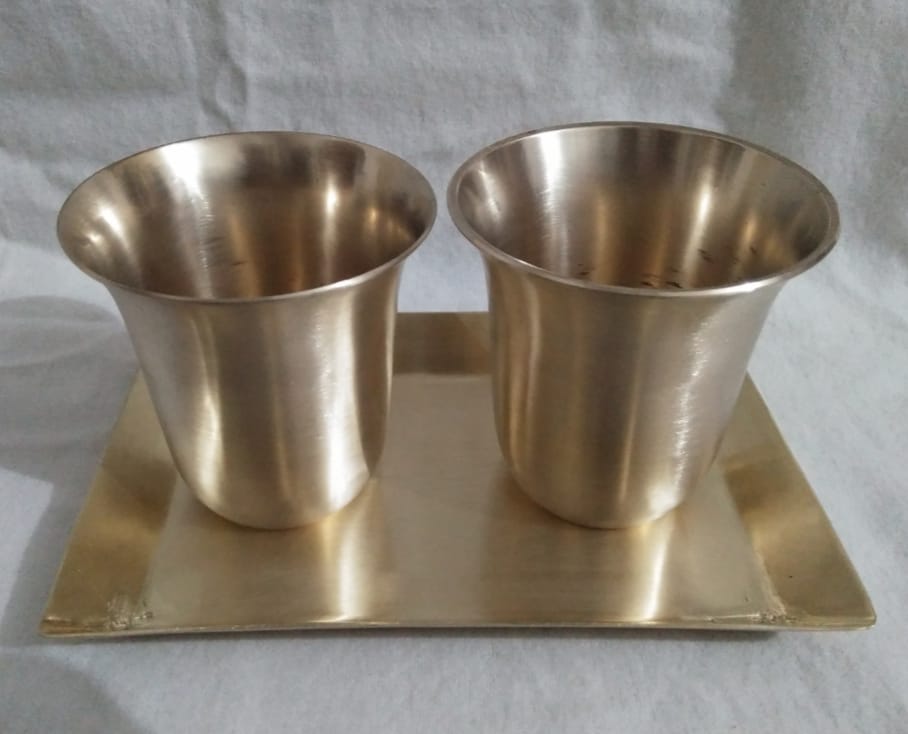
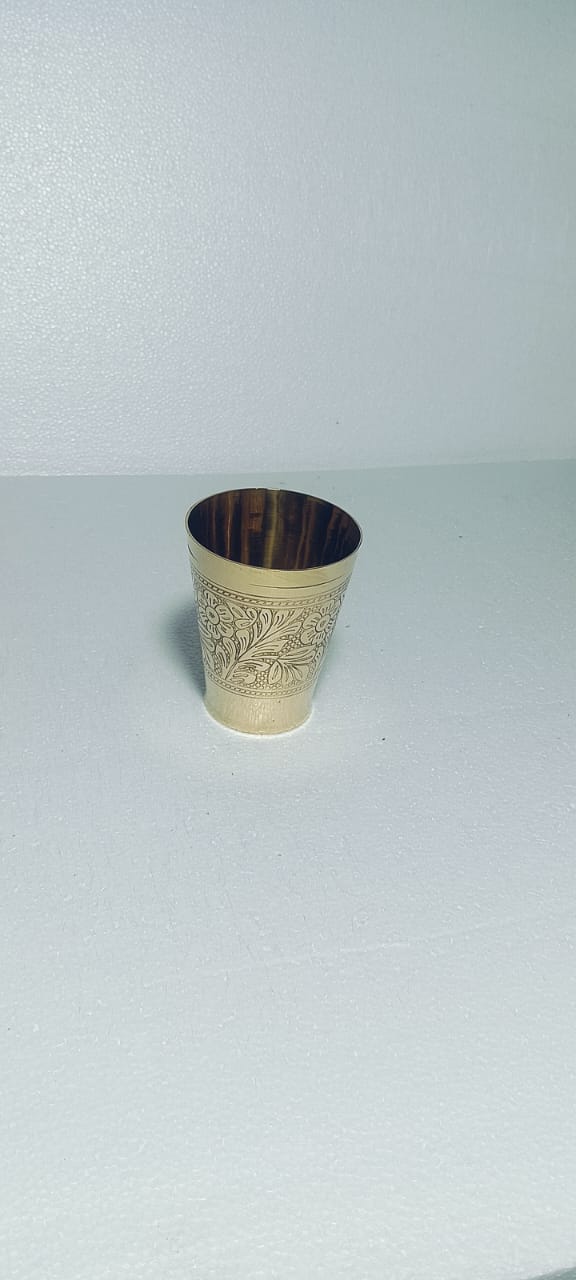

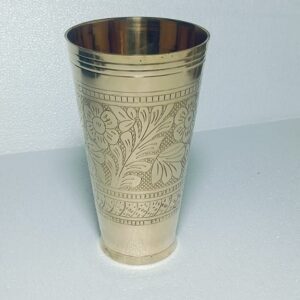
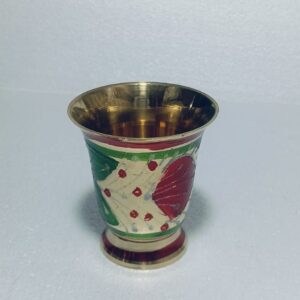
Brass Glass
Original price was: ₹290.00.₹210.00Current price is: ₹210.00.
Material : Brass
Height : 9 cm
Top Diametre : 7.5 cm
Weight : 100 gm
Capacity : 250 ml
Finishing : Polished
Description
About Brass Glass:
Brass Glass: Tradition, Utility, Benefits & Care
A brass glass (sometimes called pital glass, bhog glass, or brass drinking tumbler) is a drinking vessel made primarily—or wholly—of brass. It carries deep cultural roots in many parts of Asia, especially South Asia, where it is used for daily drinking, rituals, and ceremonies. Alongside its usage, it is valued for its aesthetic appeal, heritage, possible health benefits, and eco‑friendly credentials. This article covers what brass glasses are, their history, advantages & disadvantages, how to choose a good one, usage ideas, care and maintenance tips, safety considerations, and styling guesses so that you can present knowledgeable content on your website.
What Is a Brass Glass?
A brass glass is a drinking vessel fabricated entirely or mostly from brass—an alloy of copper and zinc. Some brass glasses may be coated or lined inside (for example with tin) to reduce reactivity with certain liquids or to ease cleaning. They come in various sizes and designs—from simple tumblers to more ornate, hammered styles. Many are handcrafted by artisans, which can bring slight variations in shape, weight, and finish.
Common features include:
- Smooth or hammered external surface
- Plain or ornamented (engraved, embossed) design
- Polished or matte finish
- Sometimes tin‑coated inside to avoid metallic taste or reduce copper leaching
- Variations in capacity—small (200–300 ml), medium (400‑600 ml), large (>700 ml) depending on need (Indian Bartan)
Historical & Cultural Significance
Brass glasses have been part of traditional households for centuries, particularly in Indian, Bangladeshi, Nepalese, and other South Asian cultures. They are used not only for everyday drinking (water, milk, lassi, etc.) but also in prayer rituals (puja), religious offerings, and ceremonial practices. The material brass, in these traditions, is considered auspicious and holds symbolic meaning. (SANATAN)
In Ayurveda and ancient systems of medicine, brass utensils—including glasses—are thought to balance the body’s doshas (Vata, Pitta, Kapha), improve digestion, and add health benefits when water is stored or consumed using brass vessels. (Kalasians)
Brass has also been used in many traditional crafts—hammering, engraving, tin‑coating etc.—so owning a brass glass often ties into heritage, cultural identity, craftsmanship, and family tradition. Many people gift them on weddings, house‑warmings, or festivals because they carry both utility and symbolic value. (P-TAL)
Advantages & Potential Benefits
Here are some of the reasons why people choose brass glasses, beyond just their looks.
- Durability
Brass is stronger than simple tin, more resilient than many plastics, and less fragile than glass. A well‑made brass glass can last many years if handled properly. (Indian Bartan) - Aesthetic Appeal
The warm golden color of brass, polished shine or hammered texture, and artisanal feel make brass glasses visually attractive. They add a vintage, royal, or traditional feel to dining or ritual settings. (Lakes of India) - Health & Traditional Beliefs
- In Ayurvedic practice, drinking water stored in brass is believed to help balance doshas, aid digestion, boost immunity. (Kalasians)
- Some believe brass has mild antibacterial or antimicrobial properties due to the copper content.
- The material is seen as natural and safer than chemically treated metals or plastic for everyday use.
- Eco‑friendliness & Sustainability
- Brass is recyclable.
- Hand‑crafted brass items tend to have lower environmental impact than mass‑produced plastics.
- Long life reduces need for replacement. (Nutristar)
- Cultural & Ritual Use
Brass glasses are used in religious rituals, offerings, puja, etc., where tradition and symbolism matter. The same object serves both utility and spiritual purpose. (Ompooja Shop)
Disadvantages & Things to Consider
No material is perfect. Here are limitations or issues to think about.
- Tarnishing & Discoloration
Brass oxidizes on exposure to air, moisture, acids. Over time, surfaces can darken or develop a patina (greenish or brownish spots) especially if not maintained. - Metal Reactivity / Taste
Unlined brass glasses may react with acidic drinks (citrus, fruit juices, etc.), causing metallic taste or even imparting undesirable flavor. Also, storage of acidic liquids over time may lead to leaching of metals. - Maintenance Requirements
Regular cleaning, polishing, and careful drying are required to maintain look and safety. Without these, brass glasses can lose luster or become stained. - Cost & Craftsmanship Variation
Hand‑made brass glasses with good finishing, consistent lining, and finer craftsmanship usually cost more. Lower end ones might have uneven thickness, rough finishing, or less safe lining. - Weight & Handling
Some brass glasses are heavier; handling hot liquids in brass might cause heating of exterior, so one must be careful. Also, if the glass is thick, cleaning inside or drying might be harder.
How to Choose a Good Brass Glass
If you’re selecting brass glasses for sale, or writing content helping customers choose, these are the features to evaluate.
- Material Quality & Purity
Virgin brass (good copper‑zinc ratio) is better. Avoid brass with heavy impurities or questionable finishing. If lined inside (tin, or food‑safe coating), check the quality of lining. (Indian Bartan) - Finish & Craftsmanship
A smooth finish, even hammer or texture, well‑polished outside, edges rounded, no sharp seams. Good joinery and consistent shape. Hammered designs are popular for aesthetics. (P-TAL) - Capacity & Size
Glasses of various capacities help: smaller ones for everyday water, larger for lassi or shakes, etc. Also check height, diameter. Do not overfill so drink is easy to hold. (Indian Bartan) - Safety & Lining
If intended for various drinks, especially acidic, a lining inside helps. Tin lining or food‑grade coatings reduce risk of metallic taste or health concerns. - Ease of Cleaning
Wide mouth, fewer crevices, simpler designs are easier to clean. Avoid complex ornamentation that makes rinsing or scrubbing difficult. - Design & Style
Choose between traditional / ornate vs minimalist / sleek, depending on your target audience. Hammered vs polished vs matte finish. Variation in design helps for gift items or decorative use.
Usage Ideas & Applications
Brass glasses are multifunctional. Here are many ways people use them in homes & ceremonies, and how you might suggest using them in content.
- Daily drinking water or milk: many households use brass glasses for water or milk. Cooling overnight water in brass is traditional in some regions.
- Traditional beverages: lassi, buttermilk, smoothies, herbal drinks. Brass glasses give a traditional feel. (P-TAL)
- Rituals & Worship: used in puja, for offering water or milk, collecting leftover sacred water (abhishek), or for traditional ceremonies. (SANATAN)
- Gift & Festive Use: brass glasses packaged or paired with brass items make good gifts during festivals, weddings, house‑warmings.
- Decorative Use: even when not used for drinking, brass glasses can act as decor items—flower vases, display in glass cabinets, or part of table settings.
- Hospitality / Guests: using brass glasses adds elegance and traditional charm when serving guests.
Care & Maintenance
To ensure a brass glass stays beautiful, safe, and long‑lasting, here are best practices for care.
Regular Cleaning
- Wash by hand with warm water and mild soap. Avoid extremely hot water or abrupt temperature changes.
- Use a soft sponge or cloth; avoid steel wool or harsh scrubbers that scratch.
- Rinse thoroughly to remove any soap residue.
Drying & Storage
- After washing, dry immediately and completely with a soft cloth. Do not leave wet brass glass standing for long periods.
- Store in a dry, low‑humidity space. Moisture causes oxidation and spots.
Removing Tarnish & Polishing
- Natural remedies:
- Lemon + salt: rub half a lemon dipped in salt over tarnished spots, then wash and dry. (Kalasians)
- Paste of vinegar + baking soda or vinegar + salt may be used for gentle cleaning.
- Flour + salt + vinegar paste is another mild polish DIY option.
- Commercial brass polishes are available if preferred.
- For lined glasses, ensure cleaning method is safe for lining material (tin or food‑grade coatings).
Avoid Certain Uses
- Avoid storing highly acidic or alkaline drinks for long periods in unlined brass glass.
- Do not pour boiling liquids directly (unless glass is certified, and consider lining).
- Avoid using them in dishwashers, strong chemical detergents, or strong acidic cleaners.
Safety Considerations
Because brass contains copper and zinc, and sometimes other trace metals, one must use it wisely.
- Ensure that brass used is food‑grade and free of toxic impurities. Lining helps.
- Limit exposure of acidic drinks for long. Occasional use is fine, but daily long storage of citrus or vinegars may increase metal ion leaching.
- Be careful with children: brass items may become hot, or edges may be sharp if cheaply made.
Styling Tips & Presentation (for Website / Content)
If you are presenting brass glasses on a website, here are good angles for styling descriptions or product pages.
- Heritage / Vintage Feel: Emphasize craftsmanship, the golden sheen, hammered textures, the link to traditional drinking vessels.
- Health & Wellness Angle: Talk about traditional beliefs, the Ayurvedic aspects of using brass glass.
- Eco & Sustainability: Highlight that brass is recyclable, durable, and a sustainable alternative to plastic or single‑use materials.
- Gift Worthiness: Packaging, set pairs, variation in sizes, matching brass items.
- Luxury / Artisan Touch: If handcrafted, small variations, artisan identity, origin (e.g. region or maker), finish details.
- Lifestyle / Modern Integration: Show brass glasses in modern table settings, paired with neutral or cool tones so the golden brass stands out; combine with other metals or wood; show perhaps modern minimal shapes.
Sample Product Description Paragraph
Here’s how you might describe a brass glass in a catalog or website:
“Indulge in tradition with this handcrafted brass glass, made from high‑quality virgin brass with a delicate hammered finish. The interior is tin‑lined for a clean taste and safe use with your favourite drinks. With ~350 ml capacity, this tumbler balances weight and elegance—perfect for daily hydration or serving lassi and buttermilk. The gleaming golden sheen and artisan texture bring a warm, heritage‑rich feel to your table. Pair it with matching brass coasters or set as thoughtful wedding or festive gift.”
Conclusion
Brass glasses are more than just drinkware. They carry centuries of tradition, craftsmanship, and cultural meaning. They combine form and function—bringing durability, unique aesthetics, possible health benefits (as per tradition), and environmental advantages. However, wise selection (good material, craftsmanship, safe lining) and proper care are essential so that the beauty and utility last.
For a website, when presenting brass glasses, you can highlight:
- What makes your brass glasses special (material, finishing, lining)
- Their cultural / traditional background
- How they can benefit the user (aesthetic, health, sustainability)
- How to care for them to keep them safe & beautiful.
Related products
-
- Sale!
- Brass Glass
Brass Glass
- Original price was: ₹600.00.₹520.00Current price is: ₹520.00.
- Add to cart
-
- Sale!
- Brass Glass
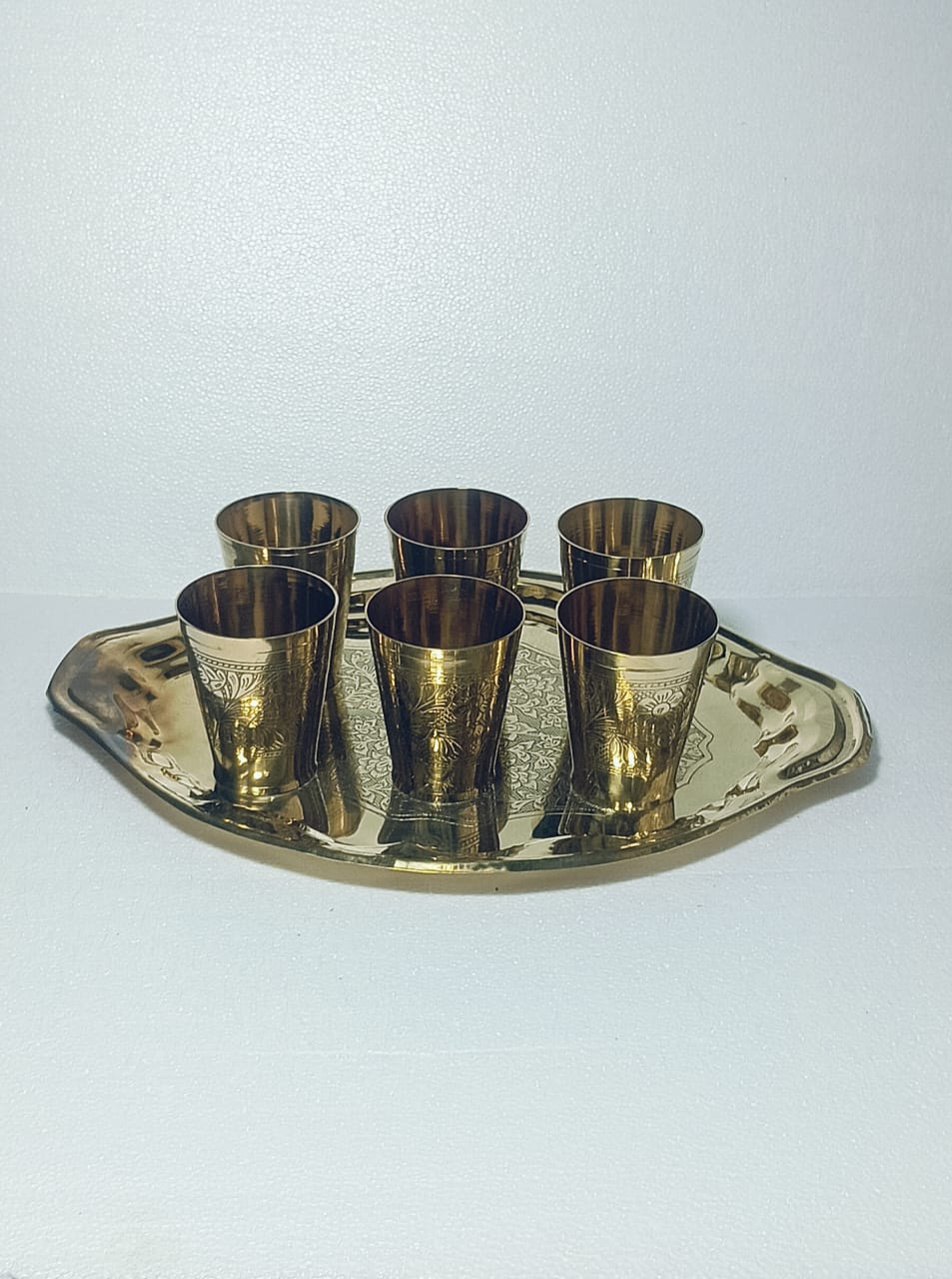
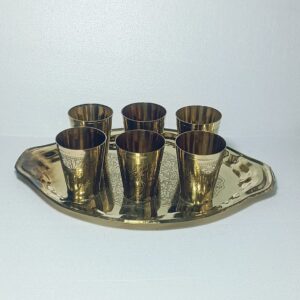
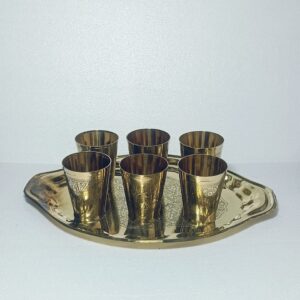
Brass Glass Set With Tray
- Original price was: ₹1,650.00.₹1,550.00Current price is: ₹1,550.00.
- Add to cart
-
- Sale!
- Brass Glass
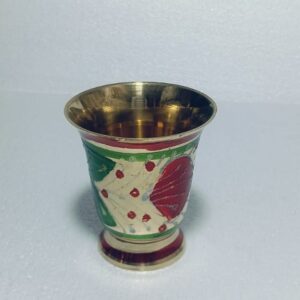
Brass Mina Glass
- Original price was: ₹300.00.₹210.00Current price is: ₹210.00.
- Add to cart
Reviews
There are no reviews yet.